RPGs are simply better when you're an idiot
RPGs traditionally reward competence, but recent titles increasingly celebrate failure and incompetence, mirroring tabletop roots and offering richer storytelling through flawed protagonists.
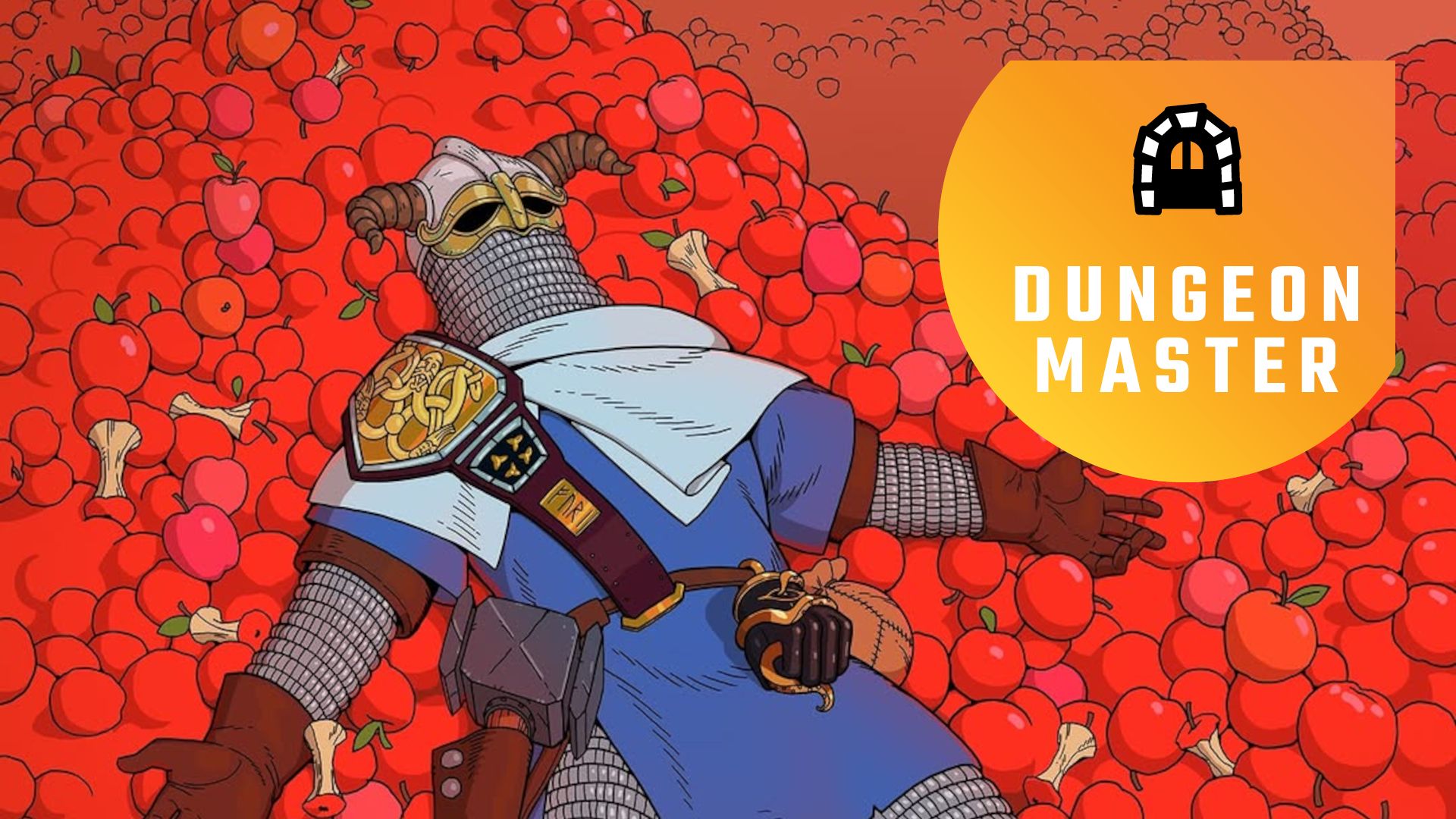
Most RPGs sell a power fantasy where players are destined heroes, but this can feel repetitive when success is guaranteed. The author recounts personal mishaps to highlight how real-life incompetence contrasts with flawless game protagonists like Geralt or Shepard. This disconnect led to a desire for RPGs that embrace failure, where mistakes create more compelling narratives and memorable experiences.
Traditional RPGs often set up failure only to prevent it, but tabletop games like *Mothership* and *Call of Cthulhu* thrive on misfortune. The shift toward embracing idiocy in RPGs reflects their tabletop origins, with titles like *Baldur’s Gate 3* and *Disco Elysium* making failure a constant threat. Games like *Zero Parades* and *Esoteric Ebb* push this further, offering absurd interactions where players can spectacularly fail in the first minutes.
The appeal lies not just in failure but in the breadth of options that make outcomes unpredictable. Even ridiculous choices can succeed, and when failure occurs, it generates richer stories and consequences. This approach contrasts with games that punish failure harshly, implying only one correct path exists.
Good roleplaying mirrors improv, requiring a system that allows for creative, even dumb solutions with meaningful outcomes. Titles like *Kingdom Come: Deliverance 2* demonstrate how failure can turn a quest into a more engaging underdog story, emphasizing collaboration between player and game systems.