The Blood of Dawnwalker is a good game, but one change would make it a great RPG
The Blood of Dawnwalker delivers engaging combat and wall-walking mechanics but falls short as an RPG due to shallow choices and a lack of meaningful consequences for player decisions.
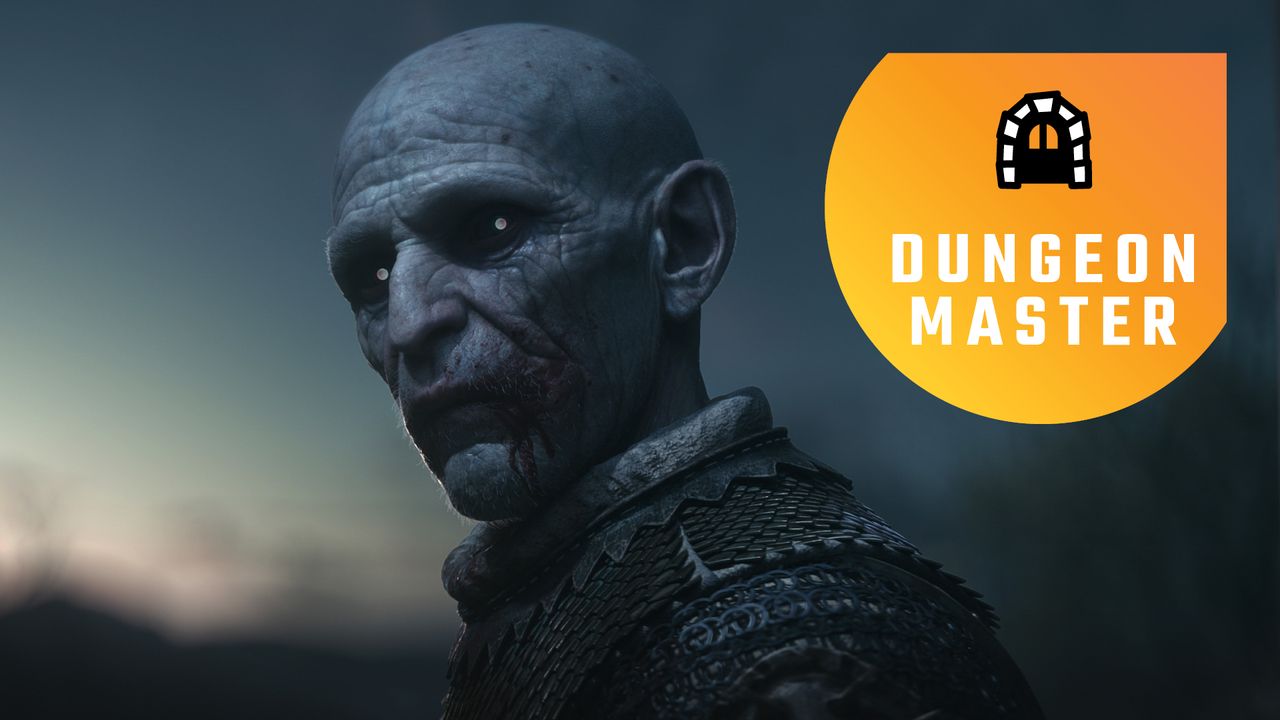
The Blood of Dawnwalker offers enjoyable gameplay with its wall-walking mechanics and brutal combat, but the prologue’s promise of agency is not fully realized. Coen of Laslea, the protagonist, is a defined but underdeveloped character whose defining trait—love for his family—limits meaningful roleplaying. Voice direction inconsistencies further disrupt immersion, with lines often shifting tone unexpectedly. While the prologue introduces a ticking clock mechanic, the rest of the game removes this urgency, leaving choices largely inconsequential.
The game’s structure allows players to complete nearly all quests without consequence, undermining the RPG’s promise of impactful decisions. Outside the prologue, time pressure is minimal, with only rare instances where quests expire. This removes the urgency intended to shape Coen’s character, reducing choices to superficial binary options. The lack of meaningful consequences extends to the epilogue, where player decisions rarely alter outcomes.
Voice acting inconsistencies disrupt the game’s tone, with neutral lines sometimes delivered as angry criticisms. This issue mirrors problems seen in other voice-acted RPGs, where direction undermines consistency. The Witcher series addressed this by giving Geralt a stoic delivery, ensuring dialogue remained coherent. Dawnwalker’s approach, however, often clashes with the intended narrative flow.
A proposed solution involves adjusting the game’s time limit or implementing individual quest timers to restore meaningful choices. This would force players to prioritize daily activities, adding depth to character development. Such changes could also grant NPCs greater agency, with consequences like altered quest outcomes or referenced decisions. The game occasionally hints at this potential, but it remains underutilized throughout most of the experience.