While still headquartered in the US, Saber exec Tim Willits says it has 'no real development in North America anymore'
Saber Interactive’s CCO Tim Willits says the company has shifted all game development outside North America, citing unsustainable costs and global talent access.
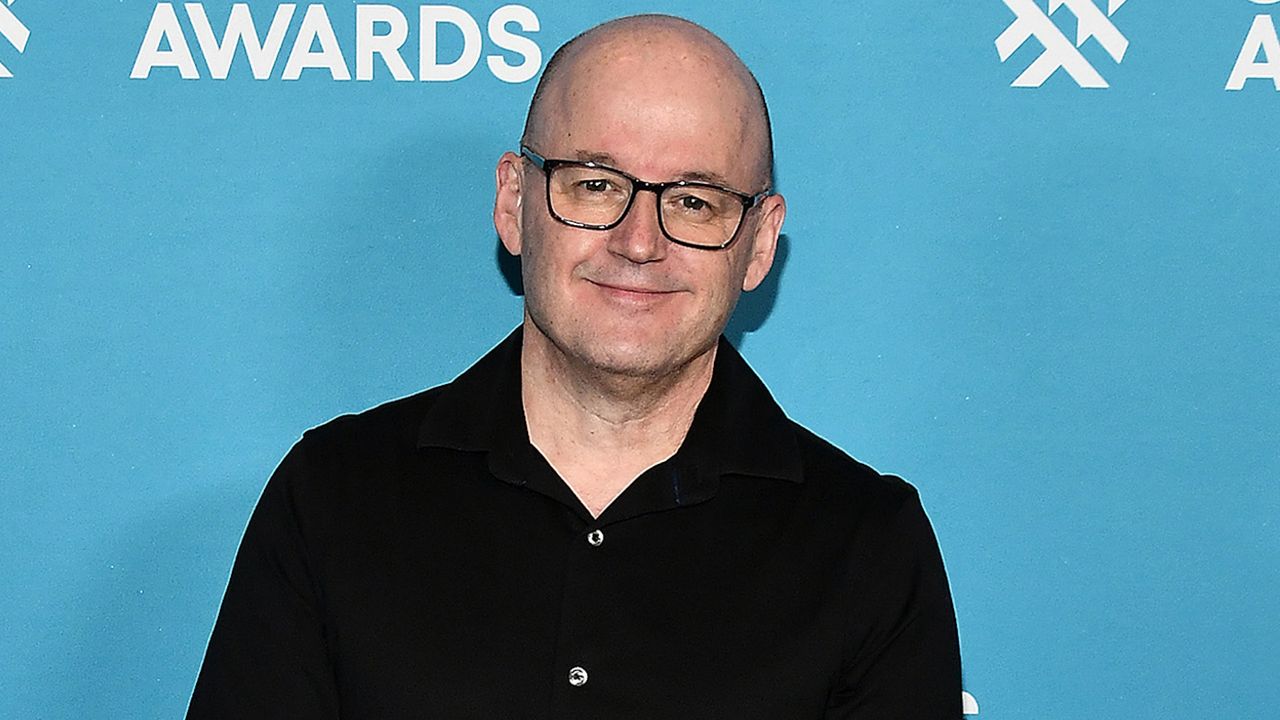
Saber Interactive’s chief creative officer Tim Willits told GamesIndustry.biz at Gamescom that the company no longer conducts meaningful game development in North America, retaining only publishing operations in the region. Willits emphasized Saber’s global approach, stating that talent can be found anywhere and that proximity to California is not required for high-quality development. He framed the shift as a strategic move to avoid the inefficiencies he associates with traditional North American triple-A studios.
Willits criticized the high costs of triple-A development in North America, citing burn rates exceeding $2 million per month at major studios. He contrasted Saber’s Space Marine 2, which he claimed cost a third as much as an unnamed recent release yet sold 11 million more copies, with North American triple-A titles like Halo: Campaign Evolved or Marathon, which reportedly sold around 1 million units. He argued that such budgets and timelines make development unsustainable, using SnowRunner as an example of a profitable game developed at a fraction of the cost.
The executive highlighted Saber’s global development footprint, with offices in Serbia, Armenia, Georgia, Spain, Portugal, Sweden, Argentina, and Australia, as a key factor in its cost efficiency. He dismissed concerns about working in unfamiliar territories, asserting that Saber prioritizes talent and resources over geographic constraints. Willits also attributed part of the industry’s challenges to overspecialization among developers, though he suggested the crisis is less severe than often reported.
Willits’ remarks reflect broader industry concerns about the financial sustainability of triple-A game development in North America. By relocating development to lower-cost regions, Saber aims to reduce overhead while maintaining output. The comments come amid ongoing debates about the future of game development, with some studios exploring similar offshoring strategies to remain competitive.