Why private equity acquisitions like the one that just claimed BioWare are so dreaded
Private equity acquisitions often saddle game studios with unsustainable debt, leading to layoffs and closures like BioWare’s, as seen in recent EA cuts and Gamepires’ shutdown.
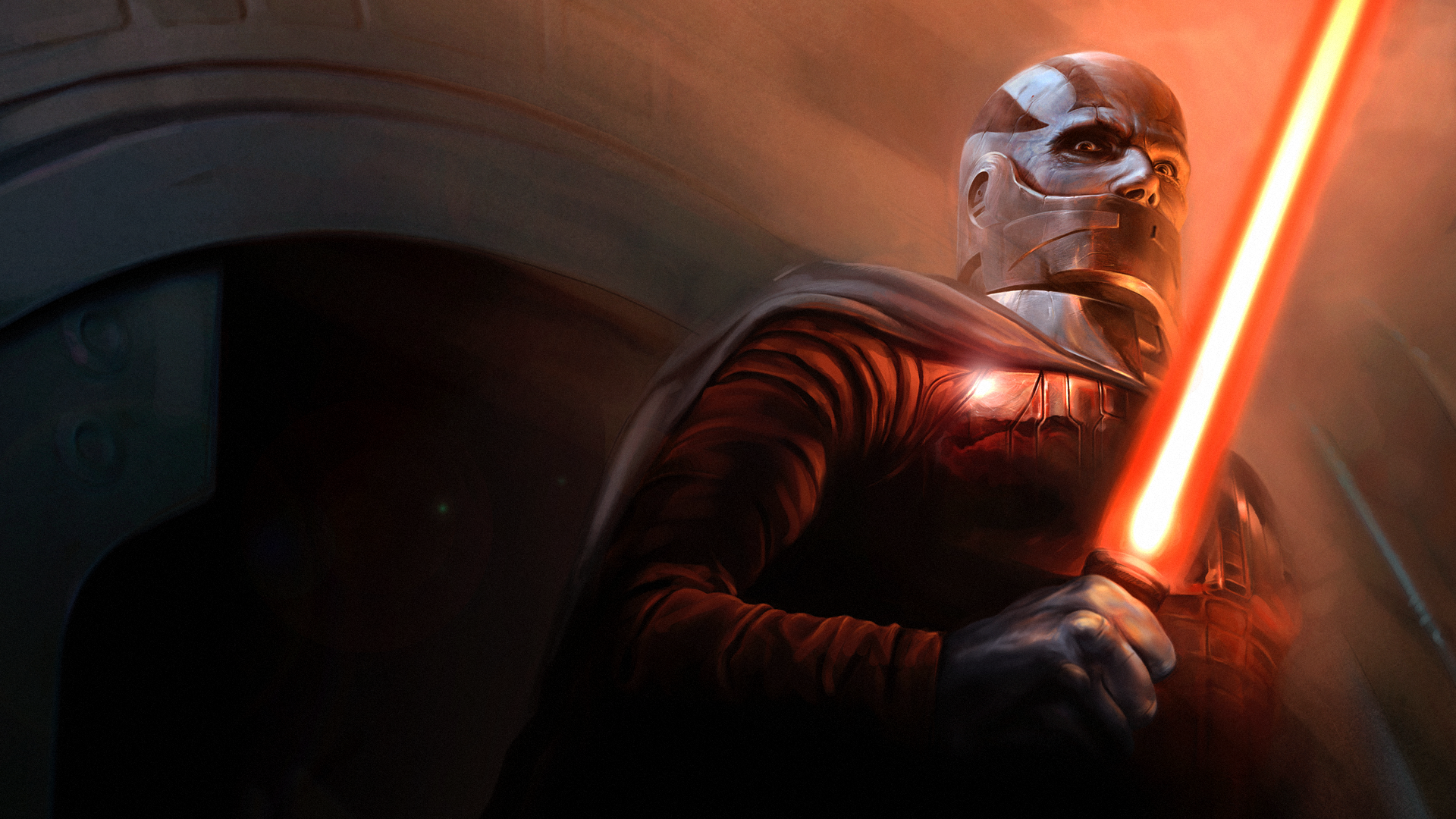
BioWare’s closure follows a pattern where private equity firms acquire companies using borrowed funds, leaving the purchased studio responsible for repaying the debt. This leveraged buyout structure shifts financial risk to the acquired company, often prioritizing short-term profit extraction over long-term stability. The practice has drawn criticism for draining resources while shielding private equity investors from consequences.
Private equity firms employ tactics such as asset stripping, workforce reductions, and inflated management fees to maximize returns. These strategies can hollow out studios, as seen in the gaming industry with BioWare’s shutdown and EA’s 400 layoffs. The approach mirrors broader trends in retail, media, and healthcare, where private equity has been linked to bankruptcies and operational decline.
EA’s acquisition by Saudi Arabia and Jared Kushner’s group has raised concerns about ideological pressures on development teams, particularly after BioWare’s closure. While EA continues work on major franchises like Marvel’s Iron Man and Star Wars Jedi, the studio’s ability to support niche or less monetizable projects appears increasingly uncertain.
Recent examples like Gamepires’ layoffs and Splash Damage’s post-acquisition cuts highlight the volatility of private equity ownership in gaming. Despite some successful buyouts in other industries, the gaming sector has seen repeated instances of financial strain and workforce reductions following such acquisitions.