Wizards of the Coast to pass full AI copyright payout to D&D writers
Wizards of the Coast will redirect AI copyright settlement funds to Dungeons & Dragons writers instead of retaining them, marking a rare industry move.
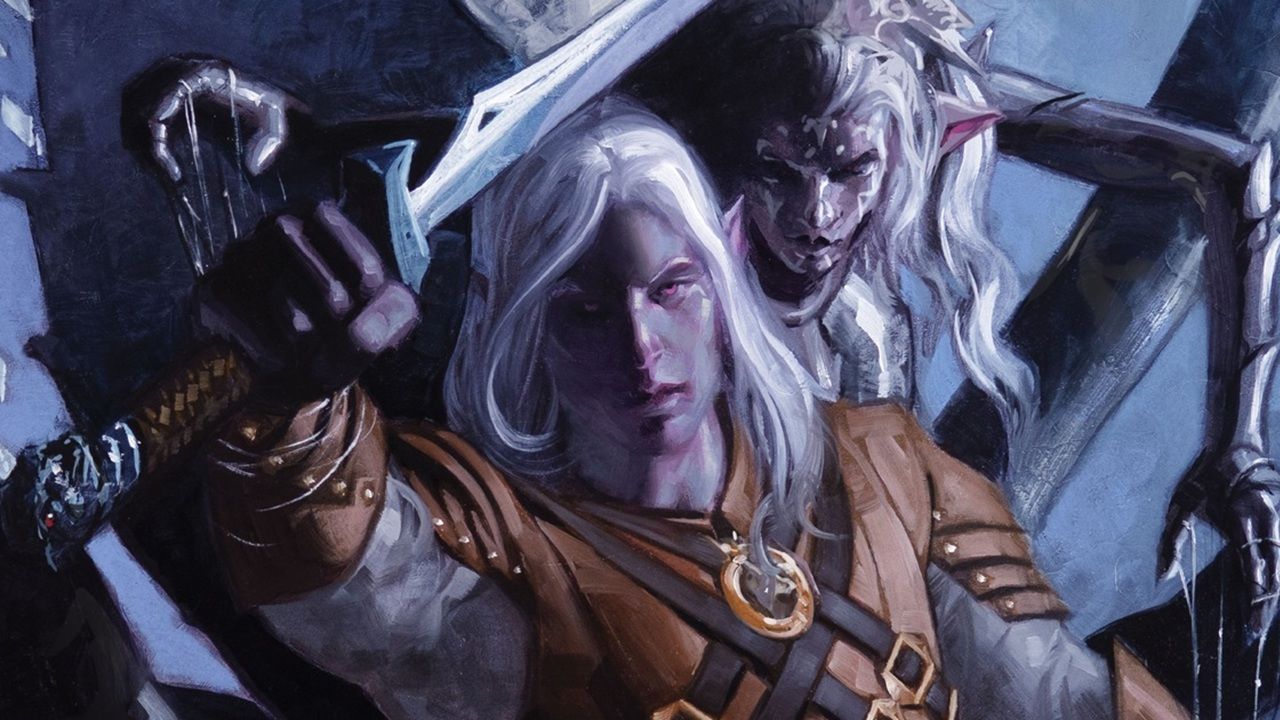
Wizards of the Coast has announced it will pass the full proceeds from an AI-related copyright settlement to freelance writers who contributed to Dungeons & Dragons books. The decision was disclosed by freelance writer James Lowder on LinkedIn, who emphasized the financial relief it would provide to authors. Lowder noted the payout, though modest for the company, would directly benefit writers at a time when many publishers prioritize retaining settlement funds. He credited internal advocates at Wizards, including Dan Ayoub, for championing the decision.
Lowder attributed the outcome to sustained advocacy by authors, particularly R.A. Salvatore, who prompted discussions within WotC. He described the company’s willingness to consider perspectives beyond financial gain as pivotal. The settlement funds stem from legal actions related to AI-generated content, though WotC did not specify the total amount involved. The move contrasts with industry practices where publishers often retain such funds, leaving creators without additional compensation.
The announcement arrives amid ongoing scrutiny of WotC’s labor and licensing policies. The company has faced criticism for resisting employee unionization efforts and for its controversial handling of the Open Gaming License. Recent controversies include the use of AI art in marketing materials and a sourcebook, which drew backlash from the community. WotC’s decision to redirect settlement funds may serve as a public relations counterbalance to these challenges.
WotC’s 2023 layoffs, which included much of the publishing team that collaborated with Larian Studios on Baldur’s Gate 3, further strained its reputation. While Larian denied the split was contentious, industry observers largely viewed the departure as significant. The company’s latest move, however, signals a willingness to prioritize creator welfare, even as broader labor and licensing disputes persist.