YouTuber gets classic Tomb Raider running on a chip that sips a mere 1 W of power
A YouTuber demonstrated classic Tomb Raider running on a low-power ESP32-P4 microcontroller, highlighting the potential of energy-efficient retro gaming hardware.
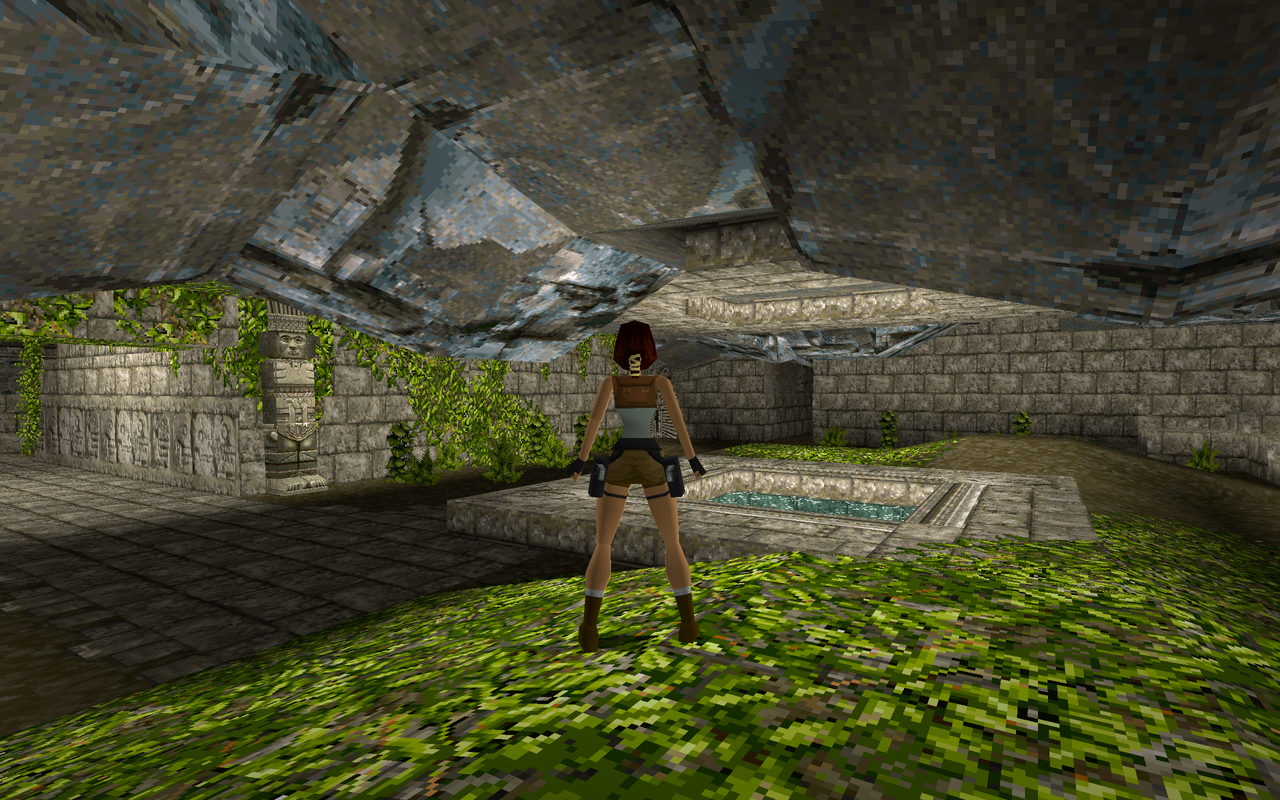
A YouTuber named Alejandro Villegas Alonso showcased classic Tomb Raider running on an ESP32-P4 microcontroller, a 32-bit RISC-V processor with two 400 MHz cores. The chip consumes just 1 watt of power according to its datasheet, making it an unusually efficient choice for gaming. Alonso used the ESP32-P4-Function-EV-Board, which includes a seven-inch touchscreen and camera module, though this increases the total power usage beyond 1 watt. The project leverages OpenLara, an open-source engine recreating the original Tomb Raider in software, rather than relying on emulation.
The ESP32-P4 is typically used for embedded tasks like cameras, not gaming, which makes Alonso’s achievement particularly notable. The port runs Tomb Raider 1 with software rendering, audio, and USB keyboard input, as detailed in the project’s GitHub repository. The display uses a software RGB565 renderer at 320 x 240, scaled to 1024 x 600 via hardware acceleration. Audio is handled by an ES8311 codec, providing stereo sound during gameplay.
Alonso’s setup includes a USB keyboard for input, a departure from traditional console controls, though the project remains functional. The ESP32-P4-Function-EV-Board, used for the demonstration, is priced at under $30 in some versions, making it an accessible option for DIY hardware projects. This aligns with the growing trend of using low-cost, low-power chips for retro gaming and other creative applications.
The project underscores the versatility of the ESP32 microcontroller family, which has previously been used in unconventional devices like a credit card-sized computer and a pocket-sized Game Boy emulator. Alonso’s work suggests that retro gaming enthusiasts may increasingly turn to similarly energy-efficient hardware to revive classic titles, blending nostalgia with sustainability.