Mid-May Agronomy Team Update
Mid-May agronomy updates from Pivot Bio’s team highlight regional planting progress, weather impacts, and crop emergence across the U.S., with varied conditions from dry spells to excess moisture affecting fieldwork.
In the Carolinas and Virginia, corn planting is largely complete in South Carolina, while North Carolina is about 75% finished and shifting to soybeans. Virginia’s progress varies by region, with some areas nearing completion. Dry conditions initially aided planting, though recent rainfall has provided needed moisture. Cotton planting remains on schedule, expected to wrap up by late May, with precipitation levels near average and water tables in good condition for summer.
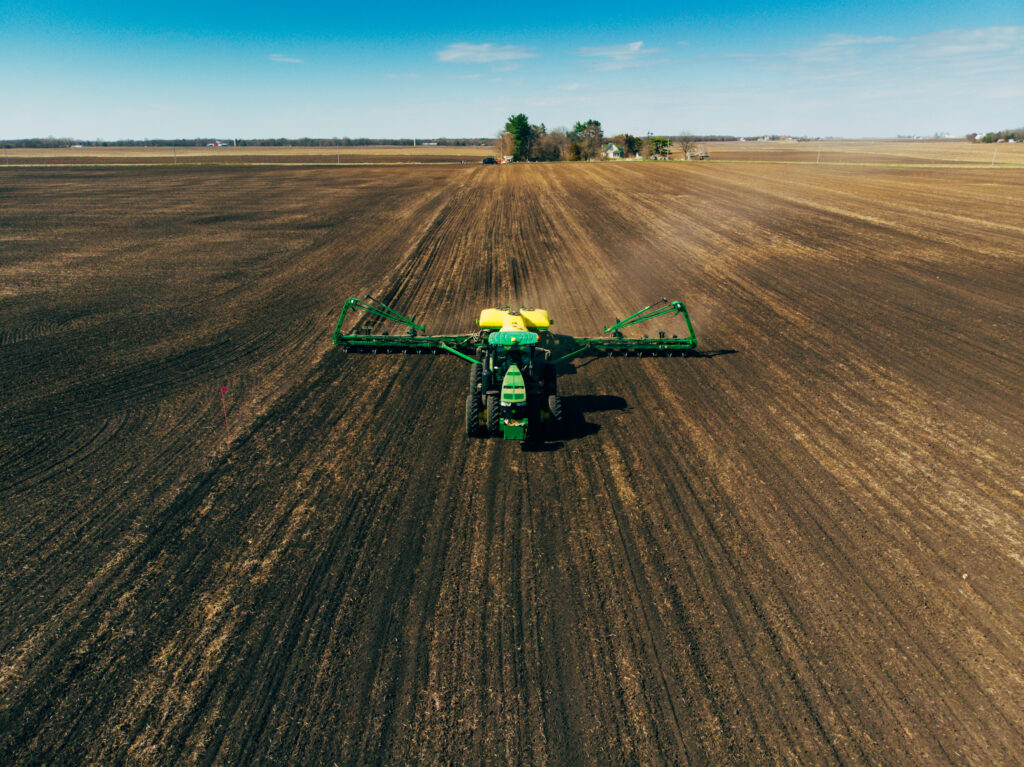
Northern Illinois has experienced 10 consecutive days of sunshine and warm temperatures, accelerating planting progress. Most growers are nearing the end of planting, with emergence just beginning. The lack of recent rain raises concerns about potential summer dryness, though early-season conditions have been favorable. Corn emergence is minimal but expected to increase soon, with an overall positive outlook for the year.
Southeast Iowa reports over 75% of planting completed, with some corn already at the V2 stage. Recent slow, steady rains have aided progress after a wet start. PROVEN G3 demonstrations are nearly finished, and the extended forecast suggests favorable conditions to wrap up planting soon. Temperatures in the 70s to 80s and sunshine are anticipated, with farmers optimistic about the season’s potential.
Ohio’s fieldwork has slowed due to recent heavy rain, delaying planting and submerging some crops. Warm weather is expected to dry fields, though some growers may need to replant. Pivot Bio guarantees replacement of Liquid In-Furrow products at no cost if washed out or delayed by equipment issues. Statewide, about 50% of planting is complete, ahead of the average year, with microbial technology supporting early-season plant vigor and grower success.