AI Cloning Could Become the Biggest Threat to Video Game Playtests
Digital Sun scaled back the public playtest of its game ReVamp due to AI cloning risks, shifting to a controlled Discord test starting Oct. 29 and aiming for a wider release by January.
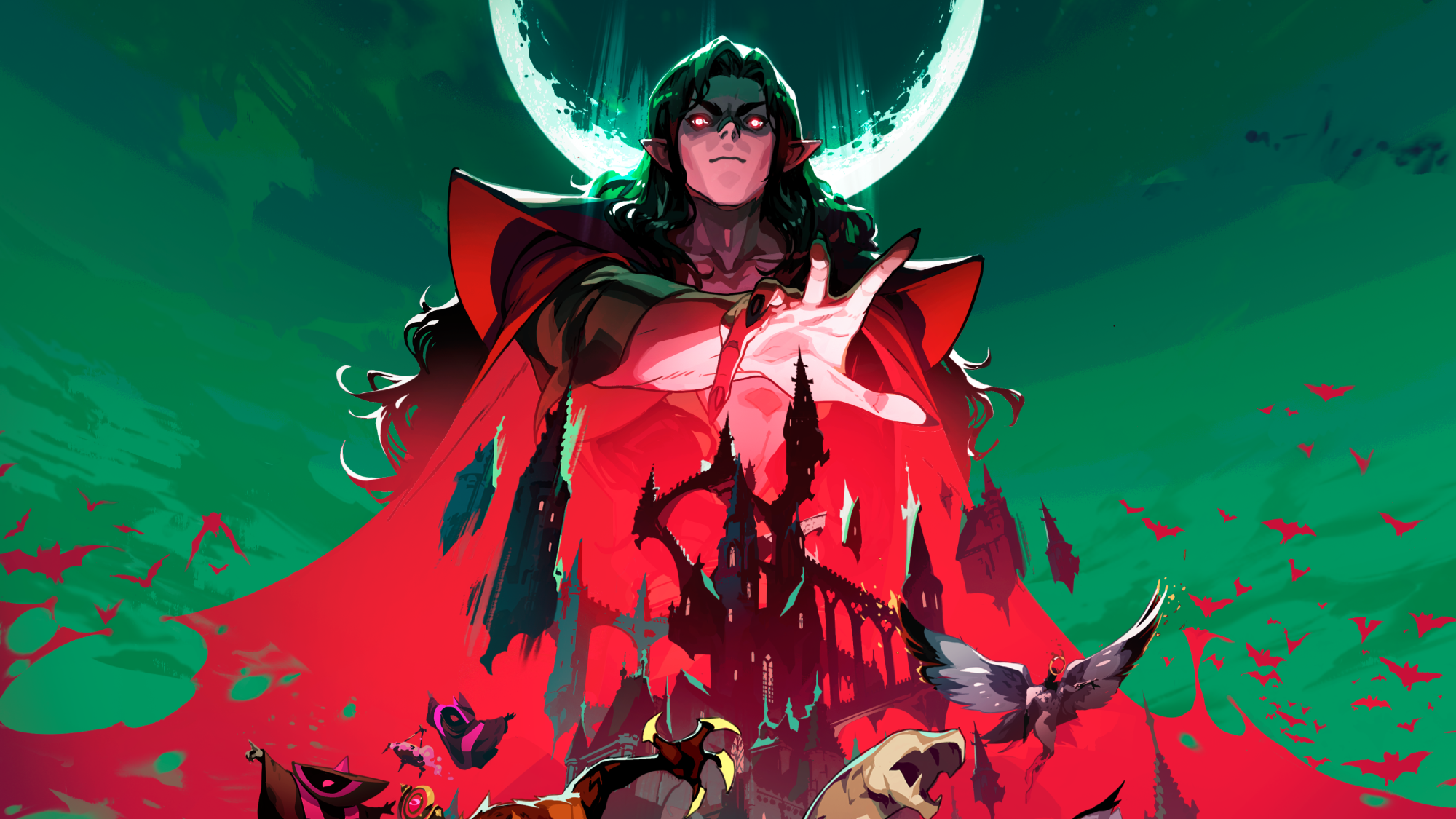
Developer Digital Sun announced a scaled-back playtest for its upcoming game ReVamp, moving from a public showcase to a smaller Discord event beginning Oct. 29. The studio cited concerns over AI-assisted cloning of unreleased games as the reason for the change, highlighting a recent trend where games are reverse-engineered and published before their original release. Digital Sun expressed worry that a large public build of ReVamp could be vulnerable to such cloning efforts, given the game’s months-long development timeline.
The studio acknowledged that while the Discord playtest may not accommodate all interested players, it remains the primary avenue for feedback. Digital Sun also hinted at a potential public playtest around January, though no guarantees were made regarding accessibility or demand. The decision reflects the studio’s cautious approach to protecting its work amid growing AI-driven replication risks in the industry.
ReVamp, described as a ‘Tower Defensevania,’ flips the Castlevania formula by placing players in the role of Dracula, tasked with designing his castle to fend off invaders. The game’s art style has drawn comparisons to Castlevania: Belmont’s Curse, with a visually striking aesthetic that has generated anticipation among players. Digital Sun’s shift in playtest strategy underscores broader concerns about AI’s role in undermining original game development and market exclusivity.
AI tools like Claude Opus 5.5, released in September, have enabled users to reverse-engineer games, leading to unstable and often unplayable recreations. While some of these projects have gained attention on social media, they primarily repurpose existing content without adding meaningful innovation. The trend has prompted Digital Sun to advocate for stronger protections of original work, signaling a potential industry-wide challenge as AI tools become more accessible.