Control Resonant Proves Everything Is a Live-Service Game Now
Remedy’s Control Resonant received a major day-one patch overhauling combat, transforming a sluggish hack-and-slash into a faster, more fluid experience. The update addressed widespread criticism of shallow progression and tedious boss fights, illustrating how modern games evolve post-launch.
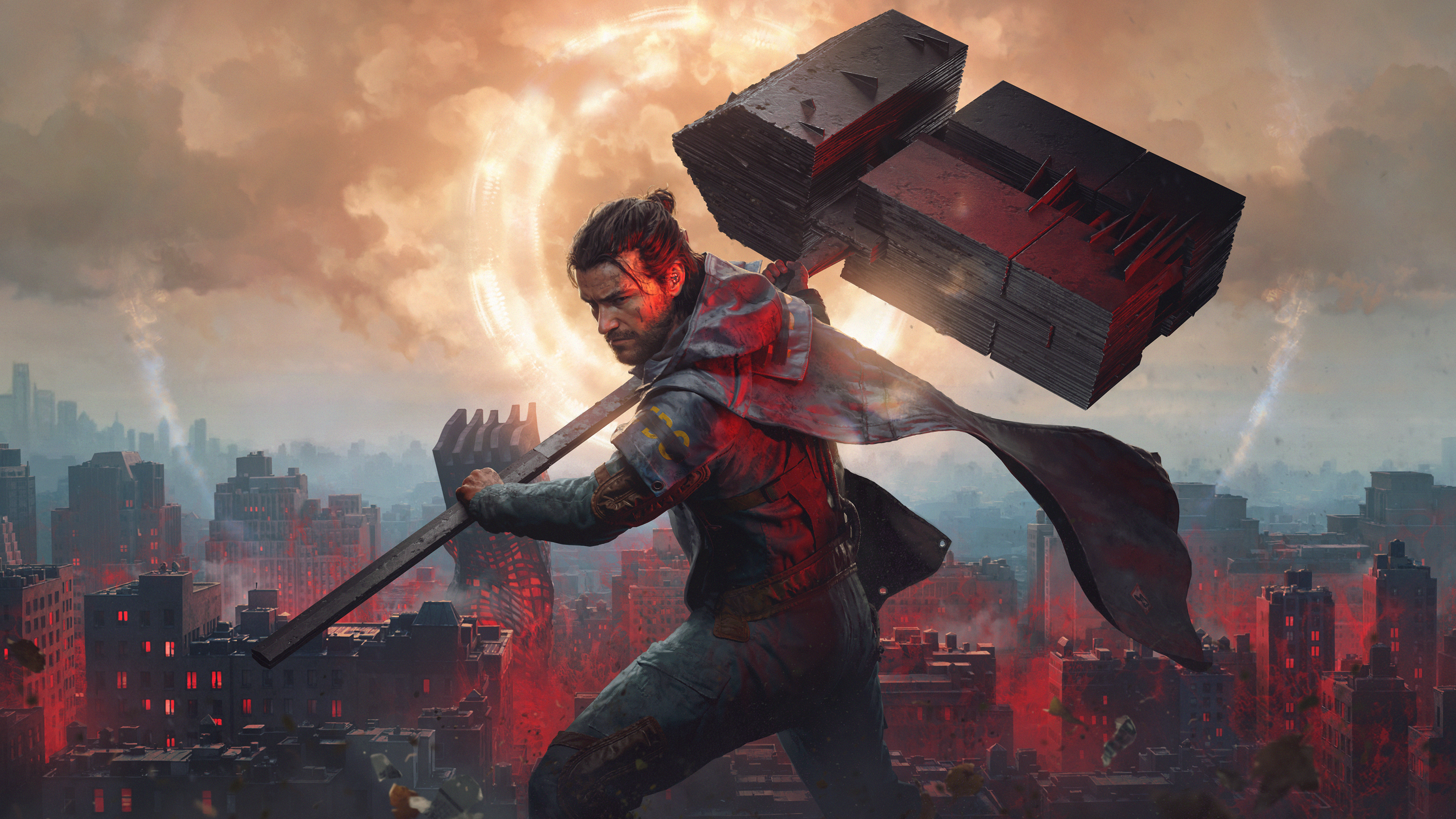
Control Resonant launched on Sept. 24 with a substantial day-one patch that completely reworked its combat system, turning a previously criticized hack-and-slash into a more fluid experience. The overhaul addressed core frustrations, including tedious boss fights like the Deserter, which previously required repetitive attack cycles lasting up to 20 minutes. The patch reduced reliance on brute-force damage sponges by enhancing the Falter status effect, allowing protagonist Dylan to chain finishers more efficiently. This shift made battles faster and more dynamic, aligning better with the game’s signature movement mechanics.
Before the patch, enemies functioned as damage sponges, with larger foes requiring excessive slashing to defeat. The Falter system, intended to streamline combat, was nearly unusable due to an impractically high gauge threshold, forcing players into repetitive, unengaging encounters. Missions like 'The Sinkhole' and Resonant boss fights exemplified the tedium, with waves of tough enemies and exhausting endurance tests. Remedy’s accessibility options, including preset difficulty adjustments, provided temporary relief but often trivialized gameplay, leaving players to seek a balanced middle ground.
Remedy’s patch significantly improved Resonant’s combat flow, shifting focus from grinding health bars to building Falter for chained finishers. The update addressed the game’s most glaring flaw—its shallow hack-and-slash mechanics—while preserving its core identity. Despite these improvements, lingering issues remain, such as Dylan’s repetitive skill execution and underwhelming skill tree, which prioritizes passive perks over meaningful gameplay depth. The patch also introduced a photo mode, reflecting the game’s ongoing live-service evolution to meet player feedback.
The day-one patch underscores a broader trend in modern gaming, where titles are increasingly treated as live-service experiences subject to real-time adjustments. Games like Cyberpunk 2077, FBC Firebreak, Crimson Desert, and Bungie’s Marathon have undergone radical transformations post-launch, reshaping player experiences long after release. This shift raises questions about the ideal time to engage with a game, as early players often serve as unintended playtesters while later adopters benefit from refined versions.