This 40-Year-Old Video Game Is Somehow More Fun Than Ever
Nintendo’s 1983 arcade game Mario Bros. remains engaging today due to its simple two-player design, straightforward scoring mechanics, and accessible gameplay that translates well to modern platforms like Nintendo Switch Online.
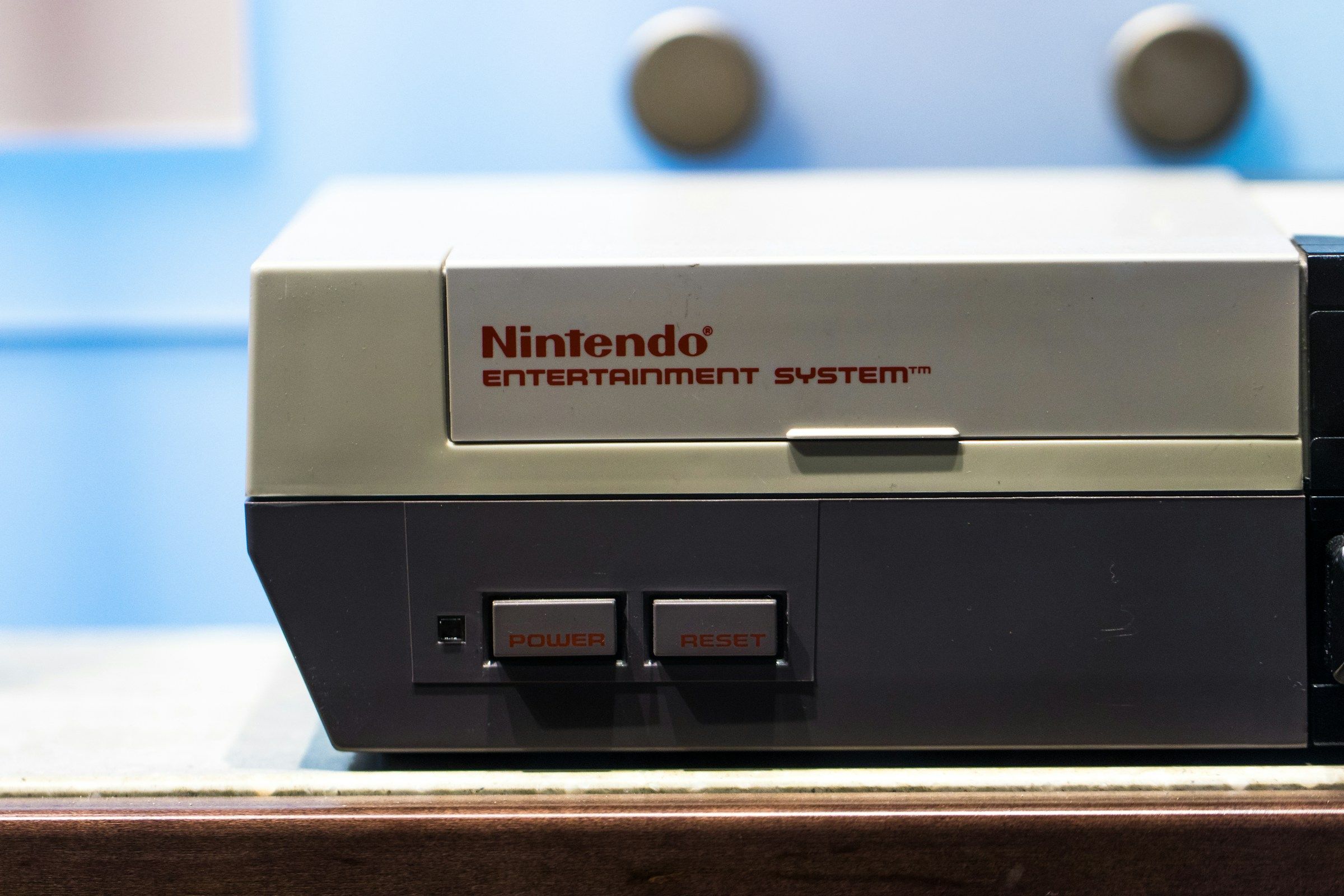
Mario Bros., released by Nintendo in July 1983, introduced Mario’s sibling Luigi, enabling two-player cooperative gameplay that doubled arcade earnings by allowing crowds to play simultaneously. The game’s mechanics revolved around defeating enemies like turtles, crabs, and flies by flipping them from below, with hazards including fireballs and moving ice blocks adding strategic depth. Points played a central role, rewarding players for chaining stunned enemies for escalating scores and offering bonus stages with floating coins to collect within tight time limits. The game’s design allowed it to be ported across multiple platforms, including an Apple IIe version, before its 1986 North American release on the NES, where Intelligent Systems refined the experience for broader accessibility.
The game’s scoring system incentivized risk-reward strategies, such as quickly dispatching enemies to chain stuns for higher point multipliers, while bonus stages tested timing and coordination, especially in later levels where precision was critical. Fireballs introduced dynamic threats by moving unpredictably across or diagonally on the screen, forcing players to adapt their tactics to avoid losing lives. Ice blocks added environmental hazards by temporarily turning ledges slippery, creating additional challenges that required rapid decision-making to overcome.
Mario Bros. became a staple for multiplayer gaming, offering a shared experience for siblings and friends without the need for extended tutorials or complex controls, a feature that made it ideal for casual play. Its transition to the NES in 1986 provided a polished version that retained the arcade’s core appeal while adapting to home console limitations, ensuring longevity for a generation of players. The game’s simplicity and immediate accessibility remain its greatest strengths, making it a natural fit for modern bite-sized gaming sessions on platforms like Nintendo Switch Online.
Today, Mario Bros. endures as a nostalgic yet fresh experience, particularly for young players learning gaming fundamentals or adults seeking a quick, uncomplicated challenge. The game’s straightforward mechanics—jumping, flipping enemies, and collecting points—require minimal explanation, allowing new players to dive in without prior knowledge. Its availability on contemporary services ensures that the 40-year-old title continues to introduce Mario’s legacy to new audiences while serving as a refreshing break from more complex titles.