Valve Warns of a Possible Steam Machine Price Hike
Valve warns Steam Machine prices may rise due to ongoing component shortages, while opening sales for the $1,049 512GB model.
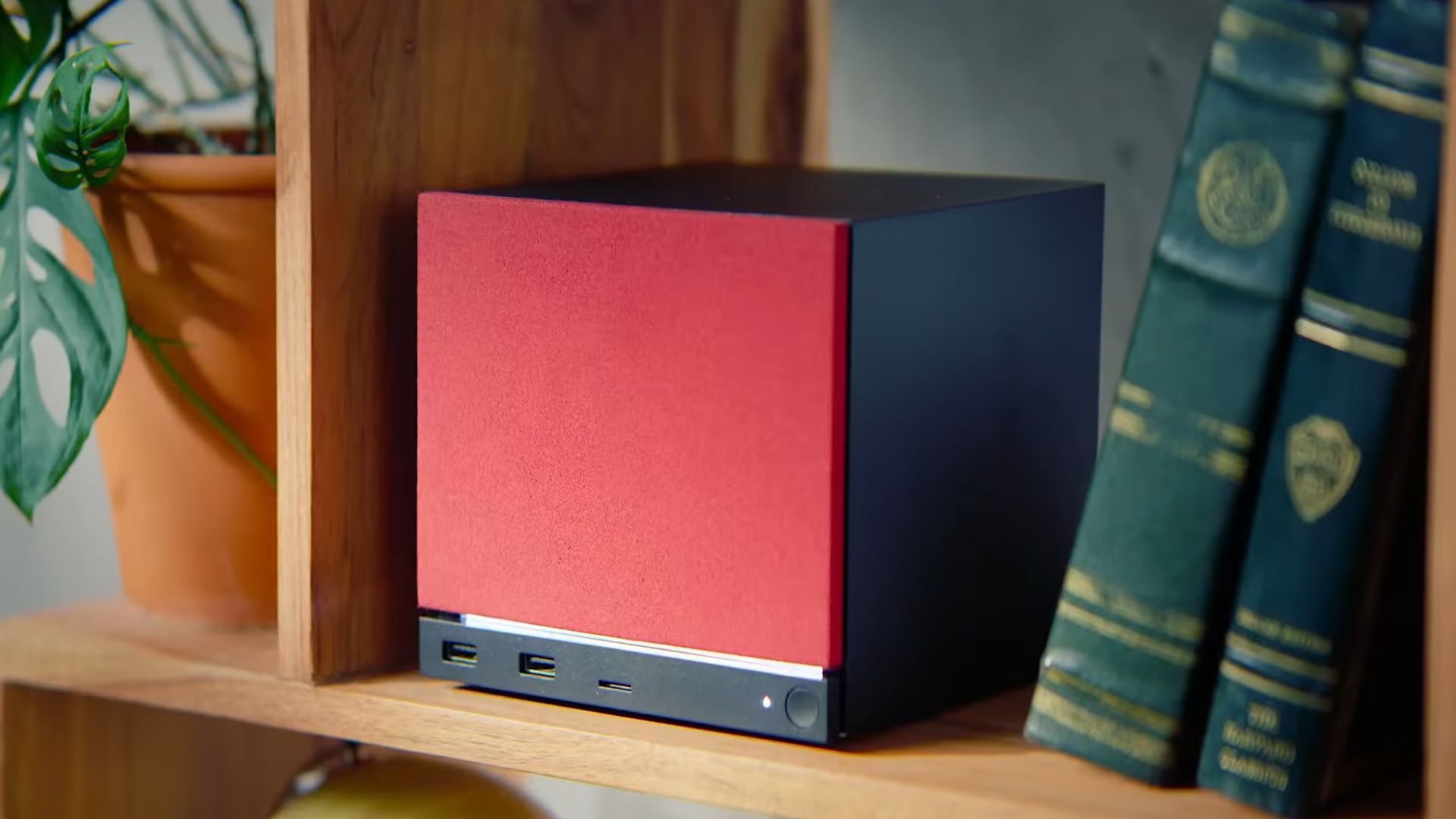
Valve has begun selling its 512GB Steam Machine model for $1,049 after fulfilling all reservations, but warns of potential price increases due to ongoing hardware component shortages. The company notes that supply constraints have limited its ability to source parts, impacting production volumes and pricing stability. Valve states that demand for the 2TB model at $1,349 exceeds current production capacity, further complicating availability. Once the 512GB model sells out, it will not be restocked, leaving buyers to act quickly or wait for an uncertain January update.
The announcement follows price hikes by other console manufacturers like Nintendo, PlayStation, and Xbox, which have also faced component shortages this year. Valve’s Steam Deck has similarly seen price adjustments, reflecting broader industry challenges in sourcing hardware parts. The company emphasizes that the 2TB model will remain particularly constrained, with no immediate plans to reopen its waitlist. Buyers interested in the 512GB model are advised to act promptly to avoid missing out.
Valve’s update highlights the broader impact of the global computer component crisis on gaming hardware, forcing manufacturers to adjust pricing and production timelines. The company’s decision to open sales for the 512GB model comes after fulfilling all prior reservations, signaling a shift from waitlists to direct availability. However, the limited stock and potential for further price increases underscore the ongoing challenges in the supply chain.
For consumers, the situation presents a dilemma: purchase the 512GB model now at $1,049 before scalpers acquire it, attempt to secure a spot on the 2TB waitlist at $1,349, or await Valve’s January update for clearer production and pricing details. Valve’s warning about unprecedented component price increases suggests that delays and higher costs may persist well into 2025.