Amid soaring PC hardware prices, gaming monitors are getting cheaper and cheaper. Here's why, and what to buy
Gaming monitors have become significantly cheaper amid a supply glut and weak demand, with entry-level 1080p panels priced at £60/$60 and high-refresh 4K models under £200/$250.
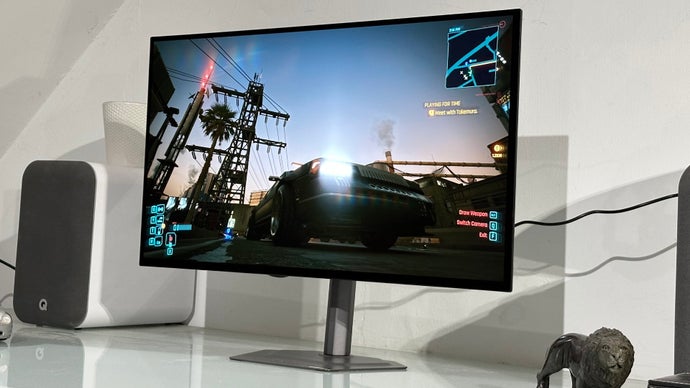
The sharp drop in gaming monitor prices contrasts with soaring costs for PC hardware like graphics cards and memory, which now exceed £200/$250 for basic components. This disparity stems from the display market’s oversupply, driven by Chinese LCD panel overcapacity and OLED manufacturers shifting focus to PC monitors for better margins. AI data centres, such as Microsoft’s Fairwater site in Wisconsin, rely on headless servers without monitors, further reducing end-user demand for new displays.
Entry-level 1080p gaming monitors now retail for £60/$60 with triple-digit refresh rates, while high-refresh 4K panels start below £200/$250. Even OLED monitors have seen prices drop to the £200/$250 range, defying inflation trends where a £200 4K panel today would have cost roughly £150 in 2020. This pricing reflects a market flooded with underutilised manufacturing capacity and weakened demand from AI-driven PC sales declines.
For LCD monitors, recommended specs include at least 300 nits brightness, 1ms response times, and a preference for IPS over VA panels due to smearing issues in cheaper models. Refresh rates of 144Hz are sufficient for most games, with high-end esports titles benefiting from 240Hz or higher. HDR 400 certification is noted as a minimum for 400-nit brightness, but true HDR requires local dimming, which is rare in budget models.
The price advantage of monitors is offset by the high cost of GPUs needed to drive them, with RTX 5070-class cards now retailing around £800/$900—far exceeding monitor prices. While upscaling technologies like DLSS and FSR enable 4K gaming on mid-range GPUs, the mismatch between affordable monitors and expensive GPUs pushes the value sweet spot toward 1440p, including ultrawide and OLED options like a 27-inch 200Hz IPS panel for £179/$150.