"I was a real anglophile": A Canadian's obsession with Viz magazine is why Grand Theft Auto: London's streets are covered in dogs' eggs
A Canadian studio’s cultural lens shaped Grand Theft Auto: London, blending American tools with British stereotypes, including dogs’ eggs from Viz magazine.
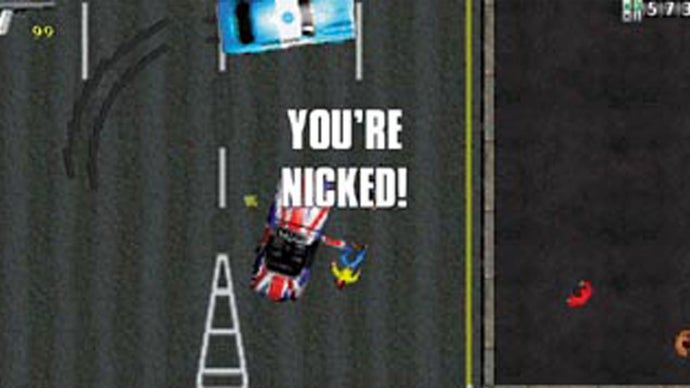
Grand Theft Auto: London was developed by Rockstar Canada, a newly acquired studio with few team members having visited the city, yet the game’s cultural interpretation still carried an outsider’s perspective. Using the same tools as the original GTA, the team recreated London’s geography and driving conventions, but the streets retained an American design aesthetic with wide, right-angled lanes. The game’s visual and thematic inaccuracies reflected the developers’ distance from the setting, prioritizing cultural rendering over realism. This approach aligned with Rockstar’s broader tradition of interpreting locations through a curated lens rather than strict accuracy.
The team’s cultural touchstone for London came from Viz magazine, a long-running British parody publication that had influenced artist Ray Larabie during his childhood in Canada. Larabie described himself as an anglophile who absorbed British stereotypes from Viz, including exaggerated depictions of Newcastle upon Tyne, curry shops, and the Kray twins. Despite the magazine’s reputation as juvenile humor in the UK, its influence persisted in Larabie’s work, shaping his unconventional view of England. The magazine’s absurd humor and cultural shortcuts provided a narrow but vivid reference point for the game’s setting.
Larabie’s most notable contribution to GTA: London was the inclusion of dogs’ eggs—Viz’s term for dog feces—scattered across sidewalks, a detail he insisted on incorporating. The game allowed players to drive over the feces, leaving brown skid marks as a playful nod to the era’s sanitation challenges. Larabie described this as his sole innovation in video games, highlighting how niche cultural references could leave a lasting mark on a project. The feature, published by Shortlist, underscores how outsider perspectives can shape creative decisions in unexpected ways.
The making-of feature also reflects on Rockstar’s broader pattern of cultural interpretation, where films and media often serve as primary references for in-game settings. From GTA 3’s Badfellas posters to Vice City’s Scarface-inspired scenes, the series has consistently leaned on cinematic tropes rather than lived experience. This approach raises questions about authenticity versus cultural caricature, particularly in a game like GTA: London, where the developers’ distance from the source material was both a challenge and a creative catalyst.