The demo for city-flattening fighting game Godzilla: Destroy All Monsters Melee Remastered is a roaring good time, no nostalgia required
A remake of the 2002 PS2 kaiju fighter offers a fresh take on classic monster battles, blending Showa-era charm with modern accessibility.
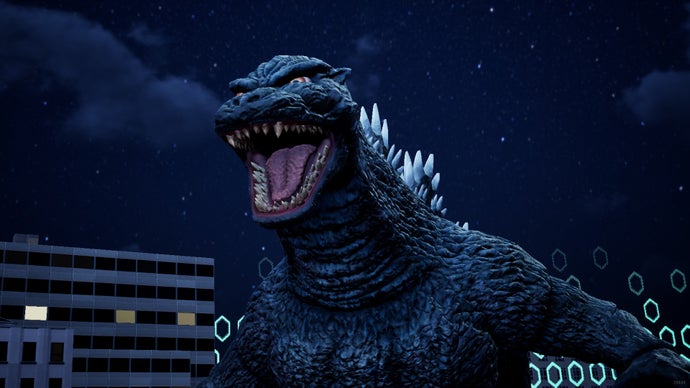
Godzilla: Destroy All Monsters Melee Remastered, a remake of Pipeworks’ 2002 game, delivers a chaotic yet charming 1v1 monster battle experience that stands on its own without relying on nostalgia. The demo showcases the game’s intentional embrace of the Showa-era Godzilla films’ blend of silliness and spectacle, where rubber-suited monsters clash in over-the-top city destruction. Controls feel deliberate but require adjustment, with each monster handling sluggishly at first before becoming manageable, and pickups like the Atari symbol summoning Mothra add unpredictable tactical layers. The demo’s roster includes Godzilla, King Ghidorah, and Gigan, though the absence of Mechagodzilla—a new addition to the remake—raises questions about the limited playable selection.
The single-player ‘Destruction’ mode lets players wreak havoc on a city, with Seattle serving as the demo’s sole stage, offering a humorous backdrop for high-score mayhem. Versus mode supports local, CPU, and online play, with online matches mirroring offline performance aside from occasional jitter, though no connection indicator was visible during testing. The game’s visual and tonal homage to the Showa era is evident in its exaggerated physics and monster designs, which prioritize playful destruction over realism. While the controls may frustrate initially, they become intuitive with practice, rewarding players who adapt to the deliberate sluggishness.
The demo’s playable roster is notably limited, featuring only three monsters: Godzilla, King Ghidorah, and Gigan, despite Mechagodzilla’s inclusion in the full game. Online play functions smoothly in the demo, with matches proceeding without major disruptions beyond minor input lag, though connection stability remains unconfirmed. The game’s pickups, including the Atari symbol that summons Mothra, introduce dynamic elements that disrupt traditional fighting game pacing, adding a layer of unpredictability to battles.
The demo effectively captures the spirit of the Showa-era Godzilla films, where the franchise’s tone oscillates between serious and absurd without losing its charm. While the controls may feel unintuitive at first, they align with the game’s deliberate design, emphasizing deliberate, weighty monster interactions. The absence of Mechagodzilla in the demo’s roster contrasts with its inclusion in the full game, leaving some players questioning the selection. Regardless, the demo succeeds in showcasing the remake’s potential for both newcomers and returning fans.