Drought permit granted to help Ardingly Reservoir
The Environment Agency granted South East Water a drought permit for Ardingly Reservoir to secure public supply amid record-low storage, reducing river flows but warning further action is needed.
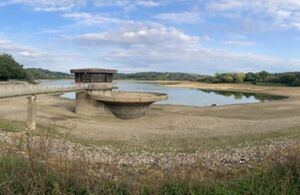
The Environment Agency has issued a drought permit to South East Water to address critically low water levels at Ardingly Reservoir near Haywards Heath, West Sussex, which serves 280,000 customers. As of 28 September, the reservoir’s storage stood at just 23%, the lowest on record for this time of year. The permit allows reduced water releases to the River Ouse and its Shell Brook tributary to prioritise public supply, though officials stressed it will not fully resolve supply risks. The agency emphasised that the decision balances environmental needs and will monitor river conditions closely while ensuring compliance with permit conditions.
South East Water applied for the permit on 28 August, with an independent Planning Inspector holding a public hearing on 18 September to consider objections and stakeholder concerns. The permit remains valid for six months until 29 March 2027 unless withdrawn earlier. The company typically releases four megalitres of water daily to compensate Shell Brook, but the permit reduces this to one megalitre to ease pressure on the reservoir.
The Environment Agency warned that the permit alone will not secure long-term supply and urged South East Water to implement additional measures in its drought plan. These could include removing exemptions from its temporary use ban or applying for a non-essential use ban to further reduce demand. Officials also highlighted the importance of winter rainfall for recovery, noting that average or above-average rainfall is needed to refill the reservoir and move Sussex out of drought by spring.
The Met Office forecasts average rainfall and temperatures for October, offering some hope for gradual recovery, though below-average rainfall would prolong pressure on water resources. The agency encouraged public water-saving measures, supporting the ‘Let’s Save Water’ campaign, which promotes simple actions like shorter showers, fixing leaks, and using water-efficient appliances to reduce household consumption.