Huge trade boost for Northern Ireland as UK-EU trade deal tears down 90% of checks on goods from Great Britain
Northern Ireland businesses will face up to 90% fewer sanitary checks on goods from Great Britain under a new UK-EU trade deal, reducing costs and paperwork for local firms.
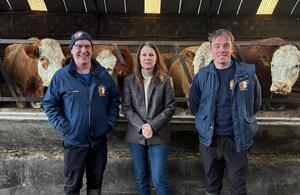
Northern Ireland businesses are set to save time and money after a new UK-EU trade deal slashes paperwork and costly checks on goods moving from Great Britain. The agreement, negotiated by the Prime Minister, aims to reduce red tape for local firms while maintaining access to both the UK and EU markets. Biosecurity and Trade Minister Baroness Hayman visited businesses in Donaghadee, Belfast, and Kilbride to highlight the practical benefits of the deal, including fewer checks and lower costs.
The deal will eliminate some of the most expensive checks, such as Export Health Certificates for animal products, which can cost up to £200 each, and Phytosanitary certificates, typically over £150. Businesses have already paid for more than 160,000 such certificates since 2023, and these costs will no longer apply under the new arrangements. The reduction in checks is expected to ease supply chains, improve product availability, and help keep prices stable for consumers.
The agreement builds on the Windsor Framework, ensuring Northern Ireland retains unique access to both the UK Internal Market and the EU Single Market. It also removes the requirement for "Not for EU" labels on most products, except fish and wine, where existing rules remain. The UK will maintain its biosecurity protections while regaining access to EU systems to monitor emerging risks, with Northern Ireland sharing the same improved access as Great Britain.
Baroness Hayman’s visit included discussions with CBI business leaders and Northern Ireland’s agriculture minister to assess the deal’s impact on local firms. The agreement is expected to add up to £5.1 billion annually to the UK economy by cutting costs and red tape. Implementation will require a clear pathway and transition period to ensure businesses can adapt smoothly to the new arrangements.