Hunger is not inevitable, but often results from choices that deny civilians food, aid, and essential services: UK statement at the UN Security Council
The UK told the UN Security Council that conflict-driven denial of food, aid, and services—not scarcity—fuels today’s hunger crises, citing simultaneous famine declarations in Sudan and Gaza.
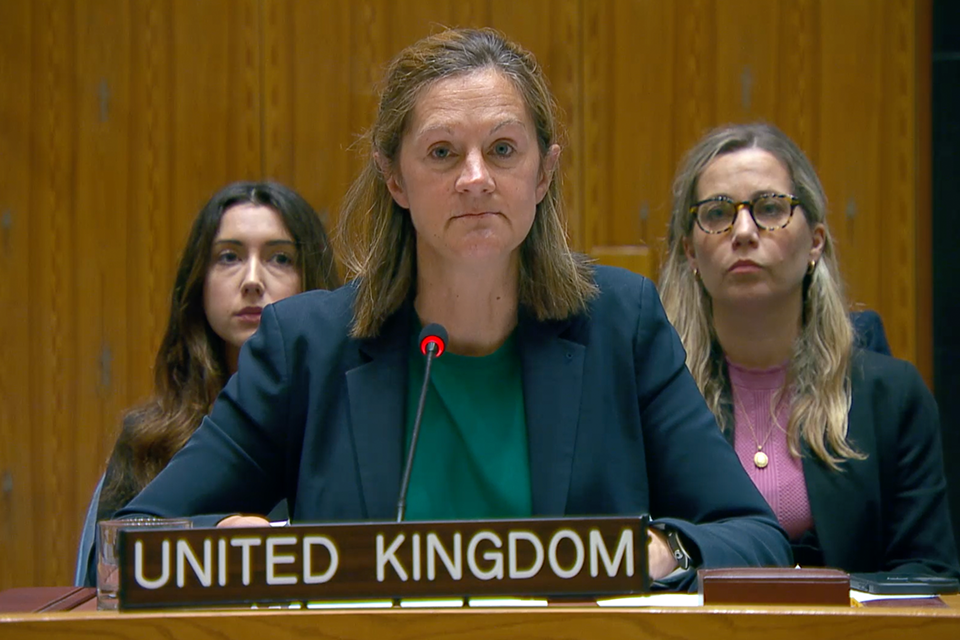
Eight years after Resolution 2417, the UK said conflict remains the primary cause of acute food insecurity, with famine declared in Sudan and Gaza in 2023. The statement emphasized that hunger stems from deliberate choices to block humanitarian access and attack food infrastructure rather than from inevitable shortages. It called for immediate, safe delivery of aid and an end to attacks on food systems to prevent further deterioration.
The UK highlighted how conflict disrupts global supply chains for food, fuel, and fertiliser, citing Russia’s attacks on Black Sea ports and Ukrainian grain infrastructure. These actions undermine one of the world’s key grain export routes, affecting millions beyond the conflict zone. The UK urged Russia to halt these attacks and comply with international humanitarian law to protect civilian food supplies.
Iran’s closure of the Strait of Hormuz and attacks on shipping were also condemned for disrupting fertiliser markets and supply chains, deepening hunger and weakening harvests. The UK referenced UN warnings that these actions exacerbate suffering, particularly for vulnerable populations, and called on Iran to reopen the strait and respect maritime law.
The UK reiterated the need for full implementation of Resolution 2417, stressing accountability for violations and the use of existing tools to identify famine risks. It warned that conflict, combined with climate stress and debt, intensifies vulnerabilities, making urgent action to protect the most affected essential. The statement concluded with a call for coordinated efforts to build resilience amid growing global food insecurity.