Libyan parties must honour commitments made to give security, economic opportunity and democratic freedom to the Libyan people: UK statement at the UN Security
The UK urged Libyan parties at the UN Security Council to implement agreed commitments on elections, security reforms, and judicial independence to prevent instability and economic collapse.
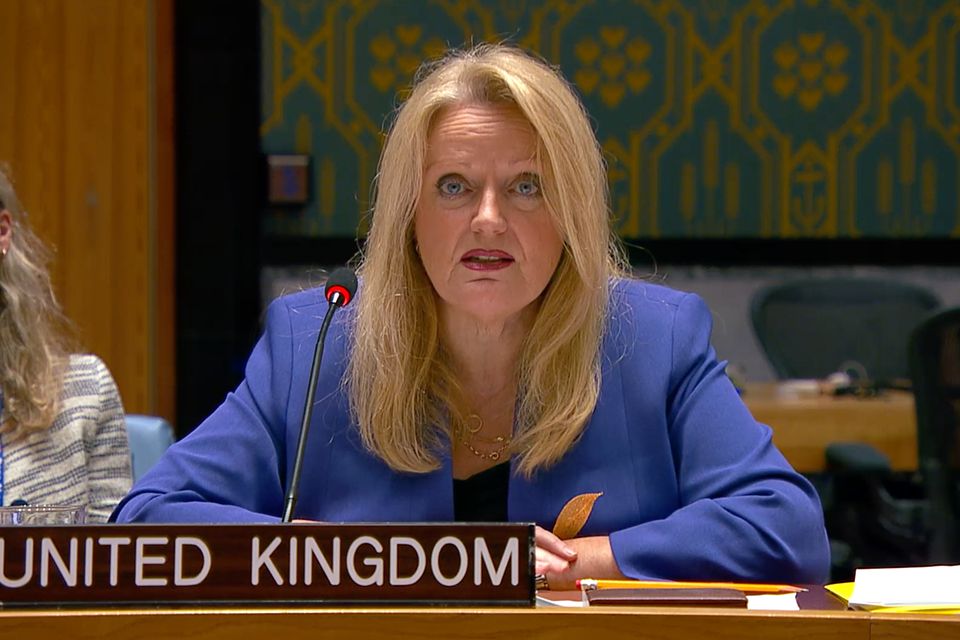
The United Kingdom reaffirmed its support for UNSMIL’s efforts to advance Libya’s political process, stating that recent progress offers a chance to move beyond political deadlock. It emphasized that commitments must now be translated into action, particularly through the 4+4 process, which agreed to amend electoral laws and hold elections within 24 months. The UK called on participants to honor these commitments without reopening settled issues and to engage broader stakeholders to ensure full recognition of the agreements.
The UK stressed the importance of preserving UNSMIL’s core mandate, including facilitating a durable political settlement and supporting the reunification of Libya’s institutions. It highlighted the need for progress toward a single executive authority as essential for lasting stability. Additionally, the UK underscored UNSMIL’s role in promoting human rights, fundamental freedoms, and the full, equal, and meaningful participation of women in a Libyan-led process.
The UK expressed deep concern over reports of enforced disappearances, arbitrary detention, and attacks on civilian infrastructure in Libya. It emphasized that accountability for human rights violations remains essential, requiring enhanced independence and capacity of Libya’s judiciary and institutions to investigate abuses. The UK welcomed the 4+4 parties’ commitment to prevent the fragmentation of Libya’s judiciary, made during their 4 October meeting.
The UK concluded by stating that recent developments demonstrate progress is possible in Libya. It urged Libyan parties to honor their commitments to provide Libyans with democratic choice, economic opportunity, and security, warning that failure to do so risks instability and economic collapse.