MHRA consults on proposals to allow schools to keep spare adrenaline nasal sprays on site
The UK’s MHRA proposes allowing schools to stock spare adrenaline nasal sprays alongside auto-injectors to treat severe allergic reactions, launching an eight-week consultation open to all stakeholders.
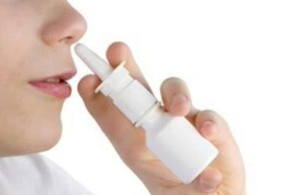
The Medicines and Healthcare products Regulatory Agency (MHRA) has opened a UK-wide consultation on permitting schools to purchase and store spare adrenaline nasal sprays for emergency use in children at risk of anaphylaxis. The proposal follows evidence that around 20% of serious allergic reactions to food occur in schools, where prompt treatment is critical. Schools already hold spare adrenaline auto-injectors under existing safeguards, and the consultation seeks views on expanding options to include nasal sprays while maintaining strict training and administration protocols.
Under the proposals, schools could choose to stock adrenaline auto-injectors, nasal sprays, or both, with emergency adrenaline restricted to children with known anaphylaxis risk and administered only by trained staff. The consultation also invites feedback on practical implementation, including how schools would manage storage, access, and staff training for the new devices. The MHRA emphasises that the existing legal safeguards would remain unchanged, ensuring medicines are used safely and only in emergencies.
The consultation highlights the potential benefits of needle-free nasal sprays, which may offer easier administration and greater confidence for users compared to auto-injectors. The MHRA states the goal is to align medicines legislation with advances in allergy treatment while preserving robust safety measures. Stakeholders, including parents, healthcare professionals, and school staff, are encouraged to participate in the eight-week consultation, which runs from 19 October to 14 December 2026.
The proposal does not mandate specific products or brands and would not replace the requirement for children to carry their own prescribed adrenaline medicine. Instead, school-held supplies would act as a backup in emergencies. The consultation also explores broader terminology for future adrenaline products to streamline regulatory updates. New allergy-safety requirements for schools in England, part of Benedict’s Law, are set to take effect in September 2026.