Taking medication this summer? What you need to know about sun and heat exposure
The UK’s MHRA advises people taking certain medicines to take extra care in summer heat and sunlight, as some treatments increase dehydration, heat-stress or sun-sensitivity risks.
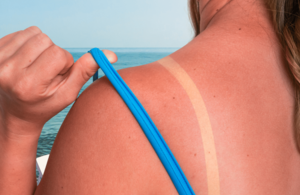
The Medicines and Healthcare products Regulatory Agency (MHRA) has launched a ‘Summer-proof your health’ campaign to highlight that some prescription and over-the-counter medicines can heighten sensitivity to the sun or impair the body’s ability to regulate temperature and hydration during warmer weather. Medicines such as diuretics, antidepressants, antipsychotics and beta blockers may increase dehydration or reduce heat-stress responses, while antibiotics, acne treatments and antifungals can make skin burn more easily. The MHRA emphasises that these effects are linked to specific medicines and are not general warnings about all treatments.
The campaign advises people to stay hydrated, avoid the strongest sun between 11 am and 3 pm, and use protective clothing and sunscreen. Patients are encouraged to check the patient information leaflet included with every medicine or available online for tailored advice on sun exposure and hydration. Recognising signs of heat-related distress, such as dizziness, headaches, fatigue, confusion or reduced urination, is also recommended to help mitigate risks associated with medication use in hot conditions.
The MHRA stresses that patients should not stop taking prescribed medicines during hot weather without consulting a healthcare professional. Anyone concerned about how their medication may interact with heat or sunlight is advised to speak to a pharmacist or GP. The agency also encourages reporting suspected side effects via the Yellow Card scheme to improve medicine safety monitoring across the UK.
The MHRA is the UK regulator responsible for ensuring medicines and medical devices are safe and effective. As an executive agency of the Department of Health and Social Care, it bases its regulatory decisions on robust evidence to balance benefits and risks. The ‘Summer-proof your health’ campaign forms part of its ongoing work to inform the public about medication safety in different seasonal conditions.