Prime Minister Andy Burnham sets out plans for a new National Care Service
Prime Minister Andy Burnham outlined plans for a National Care Service, guaranteeing free personal care, an annual state pension rise, and sustainable funding to address a failing social care system.
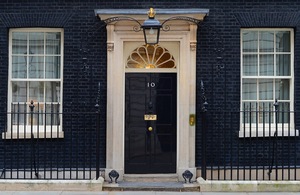
Prime Minister Andy Burnham today announced a new National Care Service alongside a commitment to a state pension that increases annually, ensuring financial security for older people. The service will eliminate personal care charges and be introduced in phases, funded without borrowing, with Baroness Casey’s Commission providing recommendations by summer 2027. The Prime Minister warned that without reform, the NHS would face unsustainable pressure due to delayed discharges and emergency care demands caused by inadequate social care.
The state pension will continue rising under the Triple Lock until 2030, after which an adjusted version will ensure it increases by at least 2.5% or inflation, whichever is higher, protecting pensioners’ living standards. The adjusted Triple Lock aims to reduce state pension spending by £15 billion annually by the late 2030s, rising to £50 billion by 2050, while maintaining the UK’s position among the most generous pension systems globally.
The National Care Service will cover personal care needs such as eating, bathing, and toileting, addressing inconsistencies in current care funding where costs vary based on health or social care classifications. Around three in four adults over 65 are expected to require care, with one in seven facing lifetime costs exceeding £100,000, highlighting the urgency of reform to prevent financial ruin for vulnerable individuals.
The service will not include bed and board costs, which will remain means-tested, while existing protections for homes and deferred payment agreements will continue to safeguard assets. Baroness Casey’s Commission will lead public consultations to shape the service’s delivery, with legislation planned during this Parliament to establish the framework for long-term reform.