DPR Korea tells UN its nuclear status is ‘irreversible’, rejects outside pressure
North Korea told the UN its nuclear status is permanent and accused outside powers of undermining global peace, calling for adherence to UN Charter principles.
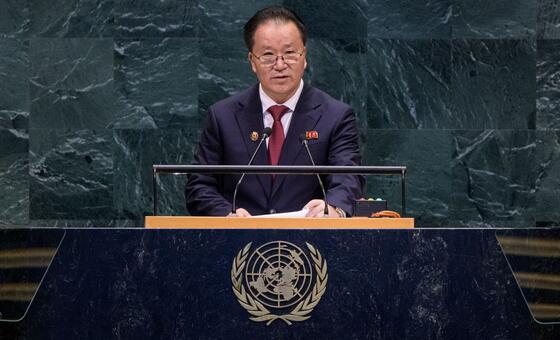
The Democratic People’s Republic of Korea (DPRK) informed the UN General Assembly that its nuclear-armed status is irreversible, asserting the arsenal is essential to protect sovereignty and deter external threats. Vice-Foreign Minister Kim Son Gyong framed the country’s military capabilities as a necessary response to growing distrust, conflicts, climate disasters and socioeconomic pressures worldwide. He argued the UN is failing due to ‘high-handedness and unilateralism’ by a small number of States and urged renewed commitment to the UN Charter’s purposes and principles.
Mr. Kim criticized the United States and its allies for increasing military pressure through exercises and deployments, specifically targeting the US-Japan-Republic of Korea security partnership. He also condemned Japan’s military expansion, stating such moves contribute to instability in Northeast Asia and undermine regional peace. Against this backdrop, he presented the DPRK’s nuclear arsenal as a defensive necessity, crediting it with preventing armed conflict and framing it as a permanent deterrent.
The DPRK Vice-Foreign Minister insisted the country’s nuclear status has been established ‘physically and legally’ and cannot be reversed under any circumstances. He described the arsenal as an ‘absolute might’ designed to safeguard sovereignty, security and peace against external aggression, while asserting the DPRK will continue strengthening its deterrent capabilities. The statement emphasized the country’s commitment to acting as a ‘responsible nuclear weapons state’ despite ongoing geopolitical confrontation and economic challenges.
Mr. Kim highlighted domestic progress, including the completion of a five-year economic development plan and new construction projects aimed at improving living conditions. He attributed these achievements to the country’s policy of self-reliance despite the COVID-19 pandemic, extreme weather and geopolitical pressures. He also called for UN reforms to enhance impartiality and equal representation, arguing changes should prioritize democratization over the interests of particular countries.