Highly persistent toxic waste threatens ‘many, if not all, human rights’
A UN human rights expert warns that poorly managed toxic chemicals, especially PFAS, threaten nearly all human rights and disproportionately harm marginalized communities.
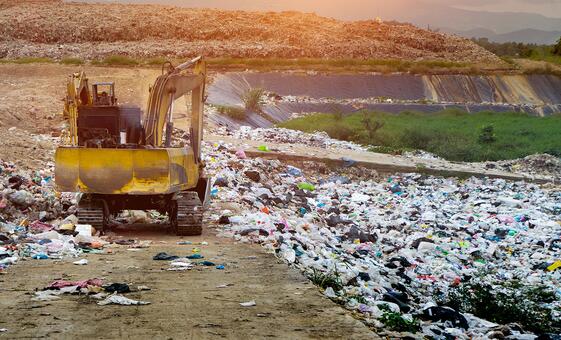
A newly appointed UN independent expert on toxic chemicals and hazardous waste told the Human Rights Council that poor management of these substances threatens "many, if not all, human rights." Bethanie Carney Almroth, an environmental scientist who began her role in August, highlighted the dangers of PFAS, or "forever chemicals," which persist in the environment for centuries and cannot currently be removed from contaminated ecosystems. Exposure occurs across the chemicals' lifecycle, from production sites to consumer products, posing risks to hormone systems, liver function, and immune function. PFAS can cross the placenta, with detectable levels found in umbilical cord blood and breast milk, exposing vulnerable stages of human development.
Ms. Carney Almroth emphasized that PFAS impair rights to life, health, a healthy environment, safe working conditions, access to information, justice, and remedy. She described toxic pollution as an issue of global environmental justice, noting that PFAS are primarily manufactured in industrialized States and spread through emissions, trade, and transboundary waste movements. Marginalized communities—including workers, women, children, Indigenous Peoples, and people of African descent—bear the brunt of exposure, she stressed.
The expert called for a human-rights-based approach that examines who is poisoned, who benefits, who bears costs, and who sets the rules. She outlined her mandate’s focus on preventing contamination rather than solely cleaning it up, citing a UN report urging an urgent ban on all non-essential uses of PFAS. She warned that waiting for complete certainty about pollution’s longevity and dangers can itself cause lasting harm.
Ms. Carney Almroth aims to ensure States, courts, and partners have access to reliable toxic pollution data to improve policymaking. She also stressed protecting independent science from conflicts of interest and disinformation, and amplifying the voices of affected communities. Special Rapporteurs like her are unpaid and not UN staff, appointed by the Human Rights Council to address human rights issues independently.