Sharp spike in executions, death sentences in Iran
The UN rights chief reported a surge in executions and death sentences in Iran since late February, citing their use to suppress dissent and intimidate the population amid ongoing protests.
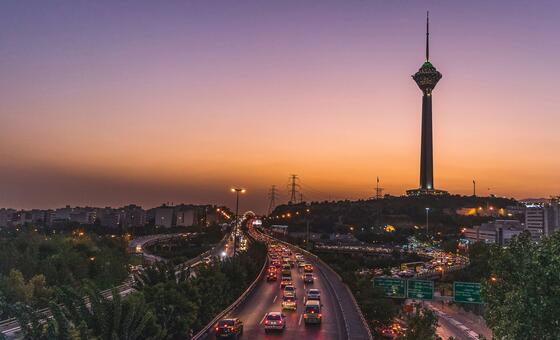
Volker Türk, the UN High Commissioner for Human Rights, condemned the sharp rise in executions and death sentences in Iran since March, warning that capital punishment is being weaponized to instill fear and stifle dissent. He called on Iranian authorities to immediately halt all executions and begin phasing out the death penalty. The surge follows widespread protests in late 2025 over economic hardship, inflation, and shortages, which were met with a violent crackdown involving thousands of deaths and detentions.
Since 19 March 2026, at least 56 people have been executed on national security charges, including 27 linked to early-year protests, while over 100 others face similar risks. The UN also highlighted ongoing executions for drug-related offenses, with allegations of confessions extracted under torture and due process violations, including unfair trials and public executions.
The UN cited serious due process concerns, such as death sentences issued after brief closed-door hearings and executions carried out within weeks of arrests. It reported that 12 defendants received death sentences following a single three-hour closed-door trial, underscoring systemic procedural failures.
Türk emphasized that the death penalty violates the right to life and human dignity, stating it has no place in modern justice systems. He urged Iran to uphold fair trial guarantees and immediately cease all executions, emphasizing the incompatibility of capital punishment with international human rights standards.