Strengthening El Niño to push 49 million more people into acute hunger
The UN World Food Programme warns that a strengthening El Niño could push 49 million more people into acute hunger by 2027, intensifying food insecurity in vulnerable regions.
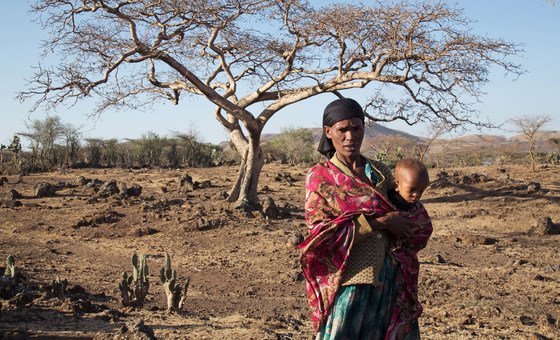
The UN World Food Programme (WFP) projects that the ongoing El Niño phenomenon will exacerbate food insecurity, potentially pushing 49 million more people into acute hunger by the end of 2027. This estimate follows an analysis of 45 countries already facing food shortages, where El Niño is expected to disrupt rainfall, temperatures, and harvests. The total number of acutely food-insecure people could rise from 225 million to 274 million, a 22% increase. Regions such as Central America, southern Africa, and parts of Asia are particularly at risk.
WFP Acting Executive Director Carl Skau emphasized the urgency of preparing vulnerable communities for climate shocks like floods, droughts, and storms. He stated that early intervention can save lives and protect livelihoods, noting that the 2015-2016 El Niño affected 60 to 100 million people. The agency is collaborating with partners to implement anticipatory action plans in over 50 countries, including South Sudan, Chad, and Guatemala, where $14 million has already been deployed to support half a million people.
El Niño’s impacts are expected to peak between September and December 2026, with effects lasting into 2027 due to disruptions in planting and harvest cycles. WFP and the Food and Agriculture Organization (FAO) have jointly appealed for increased funding to help at-risk communities prepare before emergencies escalate. The agencies highlight that some regions are already experiencing below-average rainfall, flooding, or extreme temperatures, while others face worsening conditions in upcoming seasons.
WFP is scaling pre-arranged financing mechanisms such as disaster risk insurance, credit, and digital payments to reduce costs and improve response efficiency. Evidence from past El Niño events shows that every $1 invested in anticipatory programs can save between $3 and $7 in avoided losses and response costs. The agency is working with FAO, OCHA, and governments to strengthen resilience and reduce future humanitarian needs in vulnerable communities.