In Somalia, AI is helping deliver food to hungry families
The UN’s World Food Programme uses AI-driven HungerMap Live 2.0 to forecast hunger crises in Somalia, enabling faster aid delivery to malnourished communities amid severe food insecurity affecting 6 million people.
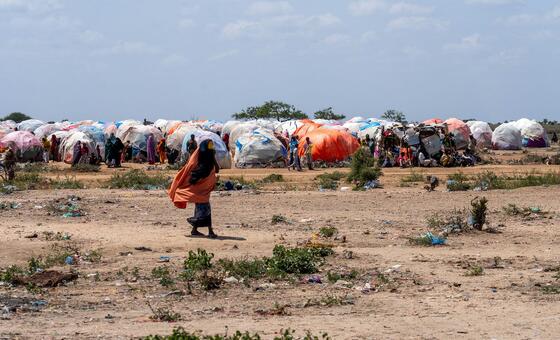
Somalia is experiencing extreme food insecurity, with 6 million people facing hunger due to prolonged conflict, climate shocks, and global price volatility. The UN’s World Food Programme (WFP) and the Food and Agriculture Organization have designated Somalia a ‘hunger hotspot of highest concern,’ alongside Sudan and Yemen. In Burhakaba District, AI tools identified urgent malnutrition cases, prompting WFP to provide food and nutrition support to 51,000 people before conditions worsened further.
WFP’s HungerMap Live platform, launched in 2020 and updated in April 2024, uses AI to analyse food insecurity, climate, economic, and agricultural data across over 90 countries. The upgraded version, HungerMap Live 2.0, introduces predictive AI features that help governments and WFP offices anticipate hunger crises and mobilise resources proactively. The platform cannot replace ground assessments but assists in prioritising communities and determining the most effective aid types, such as cash or specialised nutrition support.
In Somalia, WFP faces significant funding gaps, with only one in ten people in need receiving assistance. The agency requires an additional $192 million by January 2027 to expand its reach. AI tools help WFP allocate limited resources more efficiently by forecasting where hunger will strike next, reducing the time between early warnings and lifesaving interventions.
Simon Renk, head of vulnerability analysis at WFP Somalia, emphasised that AI tools shorten the gap between early warnings and action to protect families. However, he noted that AI does not address the underlying shortage of support, stating that prioritisation based on AI evidence does not make the lack of resources acceptable. The tools aim to protect individuals before malnutrition becomes irreversible.