Food aid cutback in the occupied West Bank as health fears grow in Gaza
The World Food Programme reduced food aid to the West Bank by half due to funding shortages, while Gaza faces worsening hunger despite slight improvements, with over two-thirds of the population in critical need.
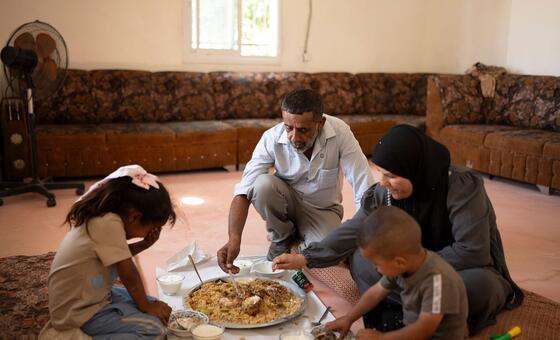
The World Food Programme (WFP) announced it has halved food assistance to families in the West Bank because of insufficient funding, leaving 200,000 people without access to critical aid. Shaun Hughes, WFP’s country director for Palestine, cited intensified settler violence, military operations, and severe movement restrictions as key factors eroding livelihoods and doubling food insecurity over two years. He noted that unemployment has more than doubled and over a third of the population struggles to meet basic needs, with nearly a million people now food insecure. The WFP’s small cash transfers, previously a lifeline for many, will be discontinued due to the funding shortfall.
In Gaza, the WFP reduced cash assistance to 75,000 families in July, despite recent slight improvements in food security indicators. Hughes warned that two-thirds of Gaza’s population still faces critical and emergency levels of hunger, and without continued aid, up to 90 per cent could experience high levels of acute food insecurity by the end of the year. The WFP requires $386 million to prevent further reductions in assistance over the next six months and called for sustained international support.
The World Health Organization (WHO) expressed concern over Gaza’s deteriorating water and sanitation conditions, with airstrikes continuing despite a ceasefire. Dr. Renee van de Werdt, WHO representative in the Occupied Palestinian Territory, described scenes of widespread destruction in Gaza City, including overcrowded tents and piles of rubble. She highlighted the reliance on water trucking as a lifeline nearly three years after the crisis began, despite its inadequacy in addressing long-term needs.
Dr. van de Werdt also reported a near-tripling of microbiological contamination in Gaza’s water since January due to limited testing capacity, with acute watery diarrhoea cases nearly doubling from March to August. She emphasized that laboratory capacities remain severely restricted, preventing comprehensive detection of contaminants in water and the environment, further exacerbating public health risks in the enclave.