Decades of war have left ‘depth and breadth’ of trauma across Afghanistan, UN finds
A UN report details enduring trauma among Afghan civilians from decades of conflict, citing widespread psychological harm, physical injuries, and barriers to justice and healthcare.
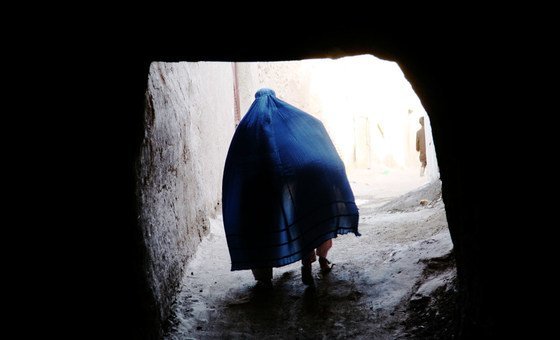
A United Nations report highlights that victims of Afghanistan’s prolonged armed conflict continue to face severe physical, psychological, social, and economic consequences, often without access to justice or reparations. The report, based on interviews with nearly 200 victims and relatives, underscores the lasting impact of over 40 years of warfare, including widespread death, displacement, and destruction across the country.
The report documents significant harm during the period from 2009 to 2021, when fighting between coalition-backed government forces, the Taliban, and other militants resulted in over 40,000 civilian deaths and more than 77,000 injuries. Nearly 95% of those interviewed reported emotional or psychological trauma, including depression, anxiety, and flashbacks, while nearly 60% experienced physical harm that persisted for years or decades.
Many victims continue to struggle with chronic pain, disabilities, and financial barriers to healthcare, which have disrupted education and employment. Women widowed by the conflict face heightened economic insecurity due to employment restrictions imposed by Afghanistan’s de facto authorities, further exacerbating their hardship.
More than half of the victims surveyed had never sought compensation or redress, citing fears of retaliation or lack of faith in the process. Among those who attempted to seek justice, 64% reported unsuccessful outcomes, citing bureaucratic obstacles, discrimination, and limited transparency. Victims prioritized financial compensation, access to justice, and personal security guarantees as their most pressing needs.