One million children in Afghanistan face deadly malnutrition
UNICEF reports nearly one million Afghan children face life-threatening malnutrition amid drought, floods, and economic strain, with hospitals overwhelmed and aid funding insufficient.
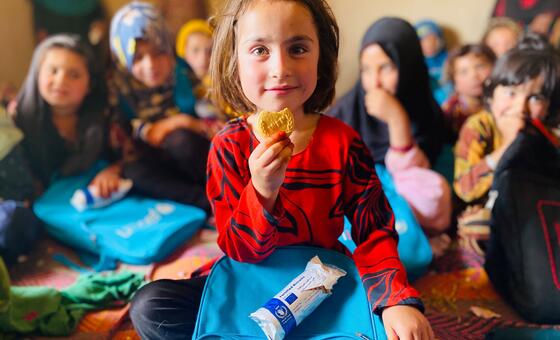
UNICEF estimates that 3.7 million children in Afghanistan are malnourished, with one million suffering from severe acute malnutrition, a life-threatening condition. The agency notes that children under two account for 83 percent of severe cases, as hospitals struggle to cope with rising admissions. Demand has surged, with some southern hospitals treating three to four severely malnourished children per available bed. Cases with medical complications have increased by one-third compared to last year, from 6,000 to 8,000 between July 2025 and July 2026.
The crisis is driven by environmental and political factors, including successive droughts, heavy rainfall, and flash floods. This year’s El Niño pattern is expected to worsen extreme weather conditions. Regional instability has disrupted trade, while over six million returnees since 2023 have strained public services, including health and housing. UNICEF reports families are reducing meal sizes and nutritional variety, with some infants receiving minimal diets such as bread with tea or watered-down yogurt.
UNICEF Representative Tajudeen Oyewale shared the case of Sagida, a 9-month-old girl from eastern Afghanistan who weighed just 4 kg upon admission due to severe malnutrition. After receiving therapeutic milk, her condition stabilized. However, funding cuts have forced the closure of more than 100 treatment sites this year, increasing pressure on remaining facilities. UNICEF’s nutrition program has received only 22 percent of its required $180 million funding for 2026.
UNICEF warns that delayed intervention increases risks and costs, emphasizing the need for early action to prevent severe malnutrition. The agency stresses that timely support not only saves lives but is also more cost-effective than treating critically ill children. Hospitals remain overwhelmed, and without sufficient funding, the situation is expected to deteriorate further, particularly for vulnerable young children.