Gaza: 300 children killed in 300 days of Israeli-Hamas ‘ceasefire’
UNICEF reports at least 300 children killed in Gaza since a ceasefire took effect in October 2025, amid ongoing hostilities and severe humanitarian conditions despite a proposed U.S.-led peace plan.
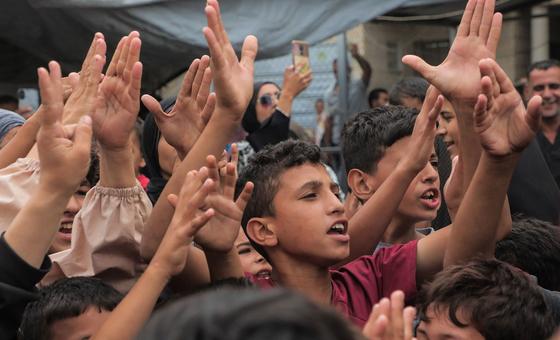
UNICEF reported on Thursday that at least 300 children in Gaza have been killed since a ceasefire agreement came into effect last October, averaging one child death per day. Families remain confined to roughly one-third of the Strip, living among destroyed infrastructure and uncleared waste. UNICEF Regional Director Edouard Beigbeder stated that a ceasefire permitting such casualties is failing children, emphasizing that promises of peace must translate into tangible protection and aid delivery.
The senior UN official welcomed recent steps toward ending hostilities and increased humanitarian deliveries but stressed that the true measure of progress lies in whether violence stops, aid reaches children at scale, hospitals reopen, and schools safely resume. UNICEF warned that children in Gaza face acute malnutrition, disease, unsafe water, and damaged sanitation systems, with health workers reporting exhausted mothers arriving at centers with severely malnourished children despite ongoing aid efforts.
UNICEF spokesperson Louise Wateridge highlighted severe shortages in medical equipment, such as incubators shared by multiple newborns, and described infants born into partially functioning hospitals lacking essential supplies. She condemned the situation as intolerable, reiterating calls for an immediate halt to violence, scaled-up aid access, and protection for children, noting that families continue to bury their children despite the ceasefire.
The UN aid coordination office, OCHA, reported civilian casualties and damage to medical supplies and infrastructure due to airstrikes, with 1,209 killed and 3,943 injured since the ceasefire announcement. OCHA emphasized the critical need for unrestricted entry of essential materials to upgrade shelters and improve living conditions, while UNICEF delivered educational supplies ahead of the upcoming school year to support over 250,000 children in summer learning programs.