Gaza ‘unsafe for civilians’ as Israeli attacks hit homes and classrooms
The UN warns Gaza remains unsafe for civilians as Israeli attacks continue, including on schools and homes, despite a ceasefire, with over 1,200 fatalities and 3,943 injuries reported since October.
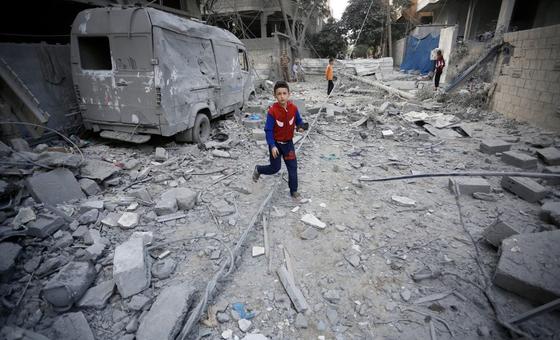
The United Nations Office for the Coordination of Humanitarian Affairs (OCHA) reports that Gaza remains unsafe for civilians, including children, following continued Israeli attacks on schools and homes despite a ceasefire agreed in October. A sixth-grade student was hospitalized after being shot in a tented classroom in Gaza City, highlighting persistent violence against civilian infrastructure. The UN reiterates that under international humanitarian law, civilians and their infrastructure must be protected and not targeted in conflict zones.
Following two years of war that left most of Gaza damaged or destroyed, UN partners report fresh attacks on civilian infrastructure, including the demolition of homes and the last remaining school in Beit Lahia. Israeli forces also expanded restricted areas by placing cement blocks, exceeding the terms of the October ceasefire. Since then, Israeli attacks have resulted in 1,209 fatalities and 3,943 injuries in Gaza, according to UN reports.
In the occupied West Bank, more than 80 Palestinian schools face demolition or related orders, with Israeli authorities demolishing parts of a school in the Masafer Yatta area of southern Hebron. Over 1,000 Palestinian residents in the area are under pressure to leave, raising concerns about forced displacement and access to education.
The UN Deputy Spokesperson noted that education partners have reached over 60,000 students in the West Bank through remedial programs, rehabilitated 30 schools, and provided support to over 2,600 students and personnel in high-risk areas. However, funding for these efforts remains critically low, limiting the ability to address urgent humanitarian and educational needs in the region.