Africans bear the brunt of biodiversity loss
A UN biodiversity official warns Africa faces severe ecological decline as global spending to protect nature lags far behind destructive subsidies, threatening food, water and livelihoods across the continent.
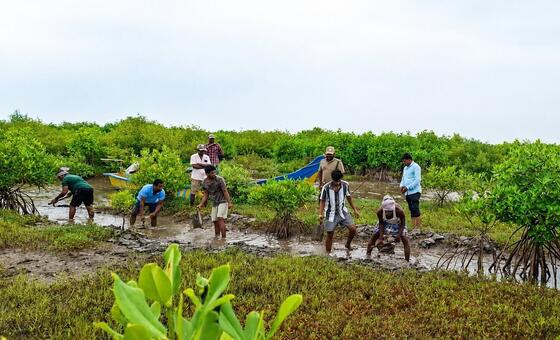
Africa, home to a quarter of the world’s biodiversity, has lost about 24 per cent of its species since the pre-industrial era, with climate change, pollution and overexploitation identified as the primary drivers by the UN Convention on Biological Diversity. The continent’s heavy reliance on natural resources for survival makes its communities particularly vulnerable to ecological degradation, according to Executive Secretary Astrid Schomaker. She emphasized that biodiversity underpins food security, clean water and climate resilience, stressing that its loss directly threatens human survival and economic stability.
The UN Environment Programme reported earlier this year that global spending to protect nature is dwarfed by the 30 times higher amount directed toward activities that destroy it, such as fossil fuel subsidies and industrial expansion. This imbalance exacerbates biodiversity loss, particularly in Africa, where rural and coastal populations depend on ecosystems for food, income and clean water. Schomaker noted that rising temperatures, invasive species and land degradation further strain these communities, compounding the crisis.
Negotiators at the UN’s Nairobi forums are now focusing on practical solutions, including embedding biodiversity into national policies, engaging financial institutions and mobilizing funding to address the funding gap. The Subsidiary Body on Implementation, meeting until 12 August, aims to translate scientific understanding into actionable recommendations for Member States. Schomaker highlighted the urgency of accelerating progress to meet the Kunming-Montreal Global Biodiversity Framework goals adopted at COP15.
Despite the scale of the challenge, UNEP reports from 125 countries indicate strong global engagement in biodiversity protection efforts. Individuals, governments and institutions are urged to contribute through actions like reforestation, habitat restoration and reducing chemical use. The recommendations from Nairobi will guide negotiations at COP17 in Armenia, where countries will review progress toward reversing biodiversity loss and fostering sustainable coexistence with nature.