Explainer: UN peace operations work to create, preserve peace
UN Secretary-General António Guterres presented a landmark review on the future of UN peace operations, urging adaptation to rising global conflicts and declining funding to maintain effectiveness in maintaining peace and security.
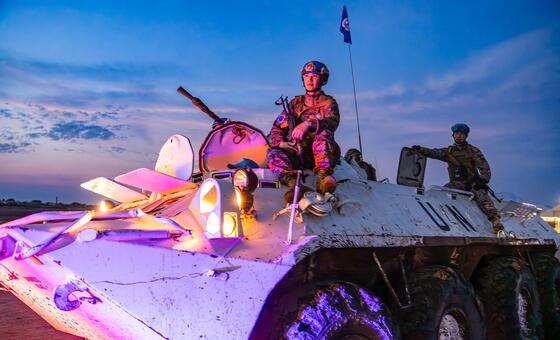
UN peace operations have historically supported transitions from conflict to peace, including organizing elections in Mozambique and Cambodia, disarming child soldiers in Sierra Leone, and securing Namibia’s independence. These missions, including peacekeeping and special political missions, operate under principles of consent, impartiality, and limited use of force. The UN has deployed 11 active peacekeeping missions and 40 special political missions in 2024, with over 4,500 peacekeepers killed since 1948. The Secretary-General emphasized their role in defusing crises, protecting civilians, and creating space for dialogue.
The review highlights the need for UN peace operations to adapt due to increasing conflict complexity, fewer comprehensive peace agreements, and funding cuts totaling nearly $500 million for peacekeeping and $96.3 million for special political missions. Peace enforcement operations, authorized under Chapter VII of the UN Charter, may use military force without requiring consent from conflict parties. Recent operations in Haiti, Mali, and Somalia have involved UN missions alongside non-UN peace enforcement forces, focusing on political processes and peace consolidation.
Secretary-General Guterres stressed that peace operations cannot replace political will to end conflicts and require cohesive support from Member States. He called for mission mandates to be narrowly focused, achievable, adaptable, cost-efficient, and accountable, particularly regarding sexual exploitation and abuse. The review recommends lighter, more mobile mission footprints, enhanced data and threat analysis, and technology to counter drones and disinformation to improve peacekeepers’ safety and effectiveness.
Examples of successful peace operations include missions in Colombia and the border dispute between Cameroon and Nigeria, demonstrating what can be achieved under favorable conditions. The report underscores the critical role of multilateral action in maintaining international peace and security amid evolving global challenges.