‘Rising seas are sinking futures’
UN Member States approved a declaration on sea level rise, warning of existential threats to coastal communities and small island nations amid record annual sea-level increases in 2024.
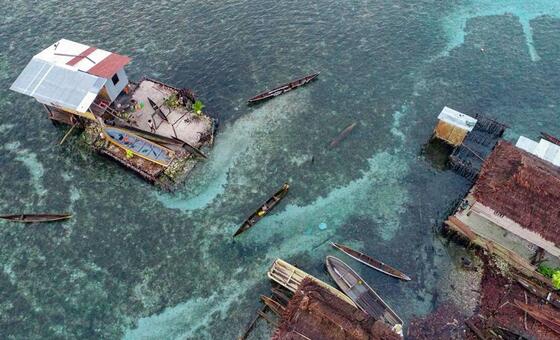
World leaders endorsed the UN Declaration on Sea Level Rise by consensus, acknowledging that rising seas threaten coastal communities globally. UN Secretary-General António Guterres highlighted a near six-millimetre global sea-level rise in 2024, the largest annual increase ever recorded, warning of shattered lives and uprooted communities. He stressed that without drastic emissions cuts, seas could rise by a metre by 2100, endangering millions living less than five metres above high tide.
Khalilur Rahman, President of the UN General Assembly’s 81st session, warned that New York City could face sea-level rises of up to 1.3 metres by century’s end, potentially flooding the Assembly Hall. Prime Minister Godwin Friday of Saint Vincent and the Grenadines noted that 85 per cent of his country’s population and 90 per cent of critical infrastructure lie along a narrow coastal strip, making resilience investments urgent.
Prime Minister Francisco Carvalho of Cabo Verde, whose nation co-led negotiations, described sea-level rise as an immediate threat to historical and cultural identity, framing it as a matter of justice and human rights. The declaration’s adoption signals multilateral commitment to addressing the crisis before it further destabilises vulnerable nations.
European Commissioner Costas Kadis announced the OceanEye International Alliance, a 31-member initiative with $250 million in pledges to enhance ocean observation and support vulnerable communities. The UN called for predictable, accessible finance aligned with the needs of at-risk populations, while Member States agreed to reconvene on the issue before the General Assembly’s 84th session.