The Takeaway: UN General Assembly debate Day 2
World leaders at the UN General Assembly debated conflicts, geopolitical tensions, and economic shocks, with sharp divisions over the UN's role and calls for Security Council reform.
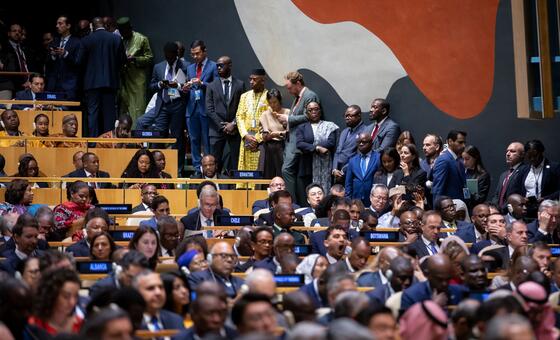
On the second day of the UN General Assembly debate, global leaders addressed the ongoing war in Ukraine, emphasizing its threats to regional security and global food supplies. Speakers reiterated that Moscow’s full-scale invasion contravenes the UN Charter’s foundational principles, underscoring the conflict’s far-reaching consequences. The discussions reflected growing concerns over the erosion of international norms amid escalating geopolitical tensions.
Leaders from multiple regions detailed how wars and instability in distant areas disrupt economies, displace populations, and strain resources worldwide. The impact of conflicts was described as transcending national borders, affecting food security, energy markets, and humanitarian aid systems. The debate highlighted the interconnected nature of modern crises and the need for collective responses.
African leaders renewed their push for Security Council reform, arguing the body no longer reflects contemporary global realities. King Mswati III of Eswatini urged fair representation for Africa and stronger international backing for African-led peace initiatives. The calls for reform were framed as essential to restoring the Council’s legitimacy and effectiveness.
Amidst the divisions, some leaders pointed to efforts aimed at overcoming years of destruction and political fragmentation. These initiatives were cited as potential pathways to restore stability and rebuild trust in multilateral institutions. The discussions underscored both the challenges and the resilience of the international community in addressing global crises.