The Takeaway Day 6: General Debate ends with call to turn words into action
The UN General Assembly closed its annual debate with calls to turn words into action, emphasizing peace, multilateralism, and urgent reforms amid shifting global priorities.
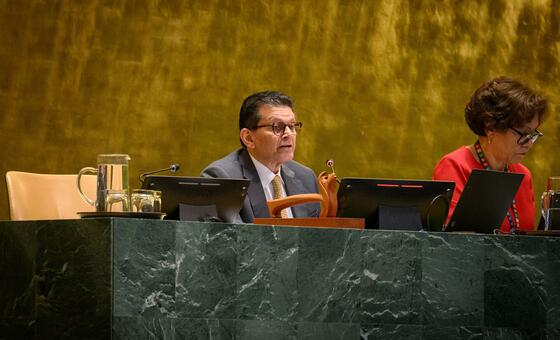
After six days of speeches at the UN General Assembly, the recurring theme was peace, with leaders acknowledging a world marked by conflict, stalled development, and deepening inequality. General Assembly President Khalilur Rahman highlighted that the 193-member body remains indispensable despite differing perspectives. He noted a striking shift in priorities, with artificial intelligence discussed more than climate change or human rights, underscoring both its potential and the need for inclusive governance.
President Rahman emphasized that governance of AI must be human-centered and responsive to developing countries to avoid a new technological divide. He stressed that multilateral institutions must adapt to contemporary challenges, warning that administrative changes alone are insufficient. The exclusion of Africa from permanent Security Council membership was described as an injustice, reinforcing demands for deeper political reform.
The General Debate concluded with 194 speakers, including 113 Heads of State and Government, addressing the Assembly. Rahman underscored that multilateralism should be judged by tangible results, not procedural achievements. The focus now shifts to substantive work, with negotiations and drafting taking place in the Assembly’s six Main Committees, covering issues from disarmament to humanitarian affairs.
The Assembly’s work continues through December, with a consequential decision pending: the appointment of the next UN Secretary-General. Following a Security Council recommendation, the General Assembly will select a successor to António Guterres, who will assume office on 1 January 2027.