‘Violence will only defer a problem’: UN Assembly President on trust, AI and lessons from the Rohingya crisis
UN General Assembly President Khalilur Rahman prioritizes restoring trust in the organization amid crises of confidence, highlighting AI governance and lessons from the Rohingya crisis during High-Level Week.
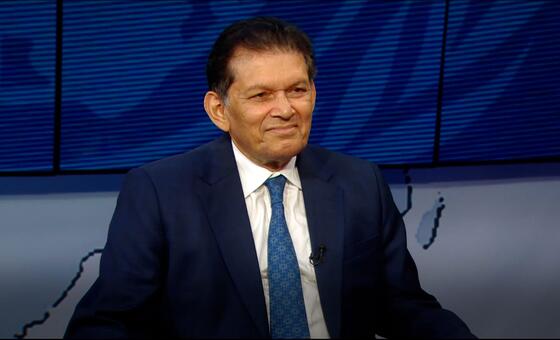
Khalilur Rahman, President of the UN General Assembly’s 81st session, assumes leadership amid what he describes as a crisis of confidence in the UN, a body he has served for 35 years. His presidency centers on restoring trust, a theme rooted in the gap between the UN’s founding aspirations in 1945 and its current delivery. During High-Level Week, the largest gathering of world leaders globally, Rahman emphasized reviving trust as the highlight of his agenda, drawing on their perspectives to guide his work.
Rahman reflected on the UN’s founding purpose to prevent global conflicts, noting progress in avoiding large-scale wars and expanding development efforts since 1945. However, he acknowledged unmet expectations in conflict prevention, development, and human rights—where only 4% of the UN’s budget is allocated. He stressed the need for coherent Security Council action and renewed efforts across all three pillars to rebuild the trust the organization once commanded, calling it a major challenge requiring collective effort.
Artificial Intelligence presents a critical test for the UN, according to Rahman, who warned of both its potential to accelerate human progress and serious risks if unchecked. He urged against stifling innovation while emphasizing the necessity of global guardrails to ensure AI serves humanity. Rahman called for inclusive discussions involving governments, developers, and users to establish safe pathways for AI, framing it as a shared responsibility to align technology with human needs.
Rahman defended the UN General Assembly’s relevance, arguing its convening power makes it indispensable despite criticisms of ineffectiveness compared to the Security Council. He highlighted the assembly’s role as a safe space for high-level diplomacy, norm-setting, and direct engagement with global leaders. Drawing from his experience with the Rohingya crisis, he reiterated that violence only defers problems, advocating for dialogue and negotiation as the only sustainable solutions to conflicts.