Women and girls pay high price in DR Congo Ebola outbreak
Women and girls in eastern DRC face heightened risks during the Ebola outbreak, bearing the brunt of care duties, infection exposure, and economic losses while official response undercounts community deaths.
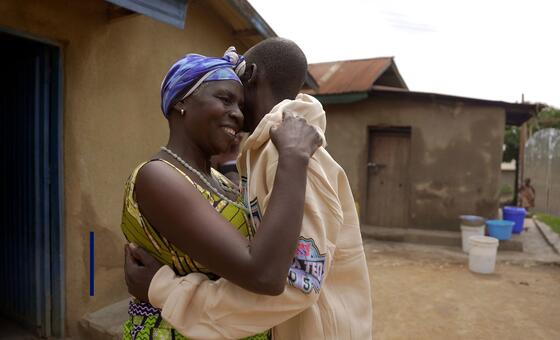
The Ebola outbreak in the Democratic Republic of the Congo has disproportionately affected women and girls, who face elevated infection risks while providing unpaid care to patients and families in Bunia, the crisis epicentre. According to UN Women Representative Dr. Setcheme Mongbo, women serve as attendants in health facilities, caregivers in homes, and participants in funeral rites, roles that directly expose them to the virus. Official data indicates that over 54 percent of confirmed Ebola cases in the DRC are women, with girls comprising 51 percent of those aged 10 to 17. The division of domestic responsibilities further increases their vulnerability to transmission.
Dr. Mongbo highlighted that women’s caregiving extends to dependent children, who suffer when mothers fall ill, often without protective equipment. Many women avoid treatment centres due to fear of separation from children, stigma, and safety concerns, sometimes dying at home without official records. She cited cases where four women died in a single day in the community, with no subsequent verification or inclusion in outbreak statistics. Two-thirds of deaths reported in a 24-hour period occurred outside medical facilities, raising risks of unrecorded cases and improper handling.
Access to essential healthcare for women has declined during the outbreak, compounded by pre-existing barriers such as conflict, insecurity, and poor infrastructure. Dr. Mongbo noted that women, who already faced limited access to reproductive and maternal health services, are now further marginalized. Travel restrictions and border closures, while critical for containment, have disrupted the livelihoods of women traders, whose daily income has dropped by $20 to $30. This reduction leaves many unable to meet basic family needs, increasing their susceptibility to health risks.
Women-led organizations play a vital role in the Ebola response due to their established community trust, yet a UN Women study found that 86 percent of surveyed groups received no funding for response efforts. Nine out of 10 such organizations were excluded from decision-making processes. Dr. Mongbo emphasized that without targeted support, these groups—critical to containment—remain under-resourced and sidelined, undermining the overall response effectiveness.