UN chief condemns “indifference” as Ebola cases mount in DR Congo
UN Secretary-General urges urgent funding and action to contain the Ebola Bundibugyo outbreak in DR Congo, where 500 new cases are reported weekly amid severe underfunding and conflict-disrupted health systems.
United Nations Secretary-General António Guterres warned that the Ebola Bundibugyo outbreak in the Democratic Republic of the Congo (DRC) demands immediate funding and intervention, as 500 new cases are reported weekly while the response remains only 48% funded. He emphasized that current resources will last only weeks, not months, and called for an additional $1.1 billion to scale up operations. Guterres also highlighted the ‘virus of indifference’ as a barrier to containment, stressing that proven methods exist to stop transmission and save lives.
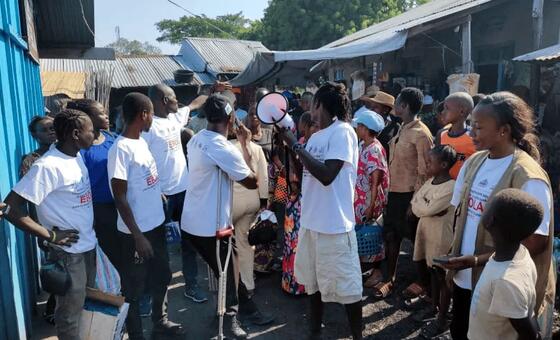
The outbreak is spreading in a region destabilized by decades of conflict, with over one million people displaced in Ituri province alone and 12 million in need of humanitarian aid. Insecurity has directly hindered the response, with more than 40 healthcare workers killed and treatment centers attacked. Humanitarian teams face the dual challenge of combating the virus and violence while navigating difficult-to-access communities. Local artists and influencers, including singer Lokua Kanza, have joined the awareness campaign, using music and social media to promote preventive measures among young people.
Religious leaders in Ituri province, the outbreak’s epicenter, have been briefed on prevention and rumor management, while around 30 former combatants received training to detect suspect cases and share prevention information in high-traffic areas. The UN and partners are also supporting Burundi’s preparedness efforts, including strengthened surveillance at border crossings and training for healthcare workers and journalists, despite no confirmed cases in the country.
The World Health Organization and partners declared the Bundibugyo Ebola outbreak in neighboring Uganda over on Thursday, following 42 consecutive days without a new confirmed case since the last patient was discharged on 16 July. During the outbreak, Uganda reported 20 confirmed cases, including two deaths, and monitored more than 800 contacts to prevent further spread.