Lebanon: Civilian risks grow as military activity continues, UN says
UNIFIL reports rising civilian risks in south Lebanon due to ongoing strikes and military activity, urging compliance with resolution 1701 and a return to political dialogue.
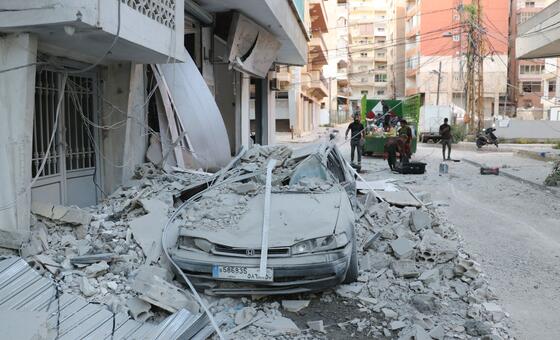
UNIFIL, the UN peacekeeping mission in Lebanon, reports that damaged infrastructure, disrupted services, and continued military clashes between Israeli forces and Hezbollah are increasing risks for civilians in south Lebanon. While recent strikes occurred outside UNIFIL’s operational area, their impact is felt across the region, including along the Blue Line. The mission calls for all parties to adhere to Security Council resolution 1701, which was established in 2006 to end hostilities, and to prioritize diplomatic solutions to prevent further escalation.
UNIFIL has observed a rise in military activity within its area of operations, including logistical movements and projectile launches, despite a general decrease in violence compared to earlier months. The mission warns that renewed hostilities threaten the fragile stability achieved recently. Destruction in parts of south Lebanon has severely damaged homes, roads, and civilian infrastructure, restricting residents' movement and access to essential services. Humanitarian organizations and peacekeepers also face logistical challenges while delivering aid.
To mitigate risks, UNIFIL coordinates with the Lebanese Armed Forces and Israeli Defense Forces, using deconfliction mechanisms to facilitate movement and prevent incidents. Peacekeepers sometimes accompany movements to support safety and ensure humanitarian access. However, delays at Israeli military checkpoints along the coastal road have occasionally hindered UNIFIL’s operations, raising concerns about freedom of movement for peacekeepers.
With UNIFIL’s mandate expiring at the end of 2024, the UN is exploring options to maintain a presence without the mission, including a smaller monitoring force and a strengthened political office. UNIFIL emphasizes that a lasting solution requires political engagement, not military action. Meanwhile, humanitarian needs remain critical, with 900,000 people receiving emergency cash assistance since March, though funding for the $640 million appeal is only half met, underscoring the urgent need for sustained support.