Aid reaches hundreds of thousands in Gaza amid severe food insecurity
Humanitarian agencies delivered essential supplies to over 600,000 people in Gaza this month amid severe food insecurity, with 50% of families reporting complete food shortages and 75% facing market access issues.
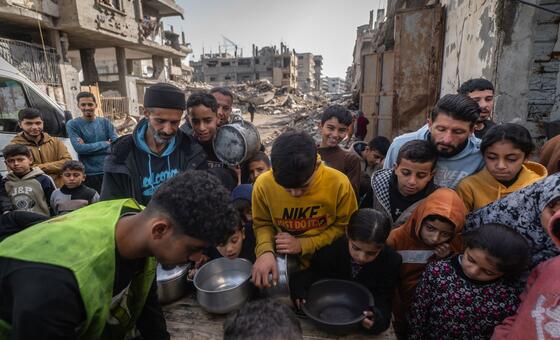
Humanitarian agencies continue delivering food and essential supplies to families in Gaza, where one in five households now eat only one meal daily. According to the United Nations, 50% of families reported running out of food entirely at least once in the past month. The crisis stems from cash shortages and sharply rising food prices following hostilities that began in October 2023. Three-quarters of households have struggled to access markets this month, further exacerbating shortages.
The United Nations and partners collected hundreds of pallets of supplies on August 28 from the Kerem Shalom crossing, a key entry point for both commercial and humanitarian aid. The shipment included fruits, vegetables, food parcels, wheat flour, adult diapers, school supplies, and fuel. These supplies are part of an August distribution cycle reaching over 600,000 people in Gaza. The World Food Programme (WFP) reported that food parcels and wheat flour have been provided to this number as part of ongoing relief efforts.
Despite a ceasefire agreement signed by Israel and Hamas in October 2025, ongoing hostilities and security restrictions continue to disrupt local movement and recovery. Frequent Israeli military strikes have killed and displaced people across Gaza, with more than two million residents—nearly the entire population—forced from their homes. Most displaced individuals now live in makeshift or fragile shelters, facing severe humanitarian conditions.
The United Nations reports that approximately 90% of civilian infrastructure in Gaza, including homes, hospitals, water plants, and schools, has been heavily damaged or destroyed. The World Food Programme states that food insecurity remains critical, with families facing extreme hardship due to restricted access to markets and essential services. Humanitarian agencies emphasize the urgent need for sustained aid delivery and the lifting of restrictions to address the worsening crisis.