Ebola response in eastern DR Congo must include food aid, WFP says
The World Food Programme urges international support to integrate food aid with Ebola response in eastern DRC, citing conflict, displacement, and severe hunger as key obstacles to halting the outbreak.
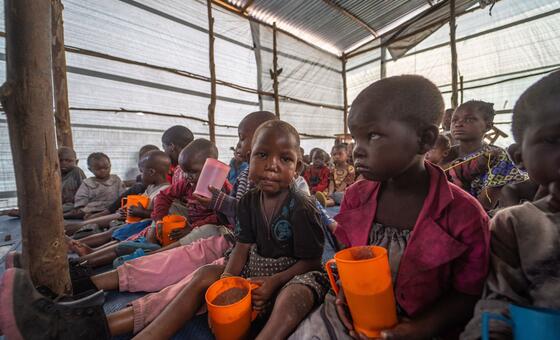
The World Food Programme (WFP) warns that addressing food insecurity in eastern Democratic Republic of the Congo (DRC) is essential to controlling the Ebola outbreak, as hunger undermines adherence to health protocols. David Stevenson, WFP Country Director for the DRC, emphasized that while Ebola is a health crisis, its spread in a conflict-affected region with widespread food insecurity requires a comprehensive response. He noted that families struggling to feed themselves cannot prioritize disease prevention measures, making food assistance a critical component of the effort.
Eastern DRC has faced 17 Ebola outbreaks since the virus was discovered, with the current crisis declared on 15 May and caused by the rare Bundibugyo species. The outbreak has recorded over 5,500 cases and 2,642 deaths in its first 100 days, making it the fastest-spreading on record. Stevenson highlighted the dire situation in Ituri province, where more than 500,000 people are classified as IPC 4—emergency levels of hunger—underscoring the need for urgent food aid alongside medical interventions.
Stevenson stressed that food assistance must be integrated into the broader Ebola response, as malnutrition weakens immune systems and reduces the effectiveness of health measures. He pointed to a recent visit to an Ebola treatment center where a recovered patient attributed her survival to both medical care and adequate nutrition. Without food support, communities cannot comply with health protocols, complicating efforts to contain the virus.
Despite logistical challenges, including impassable roads, WFP continues delivering aid to remote areas, but Stevenson expressed frustration at the lack of international support for food assistance. He described the DRC Ebola response as one of WFP’s top operations, alongside crises in Ukraine, Gaza, Sudan, and South Sudan, and called for increased funding to address both medical and nutritional needs.