DRC: Early access to care and oxygen decisive for Ebola patients’ survival – WHO
WHO reports early care and oxygen access are critical to reducing deaths in DRC’s Ebola outbreak, where over 8,000 cases and nearly 4,000 fatalities have been recorded.
The World Health Organization (WHO) has highlighted persistent challenges in patient care during the Democratic Republic of the Congo’s (DRC) largest Ebola outbreak, with more than 8,000 confirmed cases and nearly 4,000 deaths reported. Health workers face difficulties in ensuring timely access to treatment centers, leading to many patients dying at home or in communities before receiving care. WHO’s Dr. Janet Diaz emphasized that early medical intervention significantly improves survival rates, yet delays in seeking care and referral remain major obstacles in the response. Treatment capacity has expanded from a handful of beds to over 1,600 across 50 centers, with plans to increase to 2,000 beds to address the growing need.
Dr. Diaz, who recently visited the outbreak’s epicenter in Bunia, noted that challenges in access and referral systems continue to hinder the response despite progress. WHO and partners have focused on improving early illness recognition, rapid referral, and supportive care, including training nearly 400 health workers through a new hub in Bunia. The expansion of treatment centers reflects efforts to decentralize care and reduce delays in patient admission. However, sustaining these improvements requires ongoing investment in infrastructure and workforce training to maintain quality care.
A critical gap in the response is the availability of oxygen, which is essential for treating severe Ebola cases but remains unreliable or unavailable in many facilities. WHO underscores that oxygen access is not merely about equipment but requires functional health systems, trained staff, and reliable delivery mechanisms to reach patients in remote areas. The lack of consistent oxygen supply has been a recurring challenge in emergency settings, complicating efforts to stabilize critically ill patients. Addressing this issue is a priority to improve survival rates and reduce fatalities.
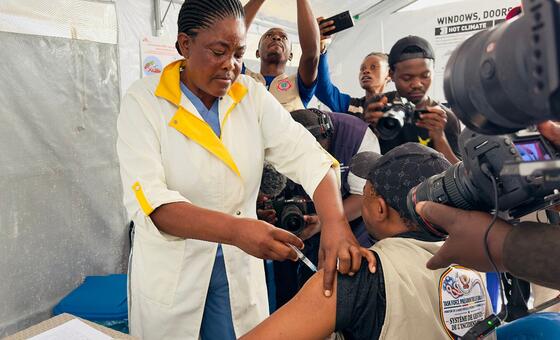
While no vaccine is currently approved for the Bundibugyo Ebola virus, WHO has allocated 20,000 doses of the Ervebo vaccine, effective against the Zaire strain, for a research vaccination program in Ituri province. This initiative aims to evaluate the vaccine’s potential against the Bundibugyo strain, offering a potential tool to curb transmission. The program reflects ongoing research efforts to expand preventive measures amid the outbreak. WHO stresses that scaling up oxygen access and early care remains the immediate focus to save lives while vaccine trials continue.