DR Congo: Ebola is killing people before they ever reach a doctor
Over 1,900 deaths in DRC’s Ebola outbreak occurred outside treatment centers, prompting WHO to intensify community-based response and decentralize care to curb transmission.
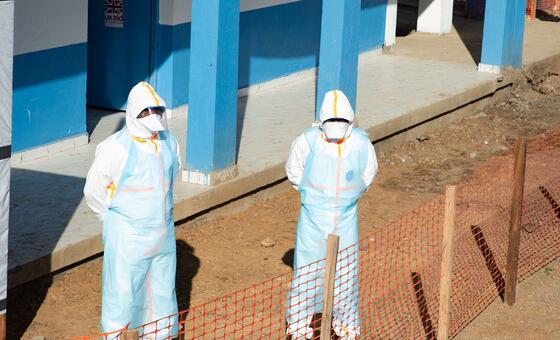
More than 1,900 people have died in the Democratic Republic of the Congo’s Ebola outbreak, with 60 to 70 per cent of deaths occurring in communities far from treatment facilities. The World Health Organization (WHO) reports that the Bundibugyo Ebola strain, for which no approved vaccine exists, continues to spread rapidly. Dr. Mohamed Janabi, WHO Regional Director for Africa, emphasized that delayed care is a central driver of the high death toll, as patients often arrive at treatment centers too late to survive.
WHO’s response now focuses on decentralizing healthcare by establishing facilities closer to affected communities and improving public awareness. Dr. Janabi highlighted that patients often travel long distances to Bunia, the provincial capital, where healthcare capacity is concentrated, but arrive in critical condition. The journey itself can also spread the virus, as some patients are taken home before dying, risking further infections in their villages.
In Aru, Ituri province, a shift in strategy has yielded results, with no new cases reported for two weeks. WHO teams identified and monitored 159 contacts, including 121 suspected cases, while expanding outreach to surrounding communities. New healthcare facilities and awareness campaigns are being implemented to reduce reliance on Bunia for treatment, aiming to treat patients earlier and prevent the city from becoming a transmission hub.
WHO plans to add 400 Ebola beds and 100 additional health service beds, but stresses that the response must extend beyond healthcare. Dr. Janabi called for collective efforts, such as market vendors installing handwashing stations, to broaden community engagement. The agency aims to scale up its approach over the next two to three months, though the urgency remains high as most deaths continue to occur outside treatment centers.