Afghanistan: UN tells Taliban to open up on abuses committed by security forces
The UN urged Afghanistan’s Taliban authorities to disclose how they investigate and punish abuses by security forces, citing a lack of transparency that erodes public trust and accountability.
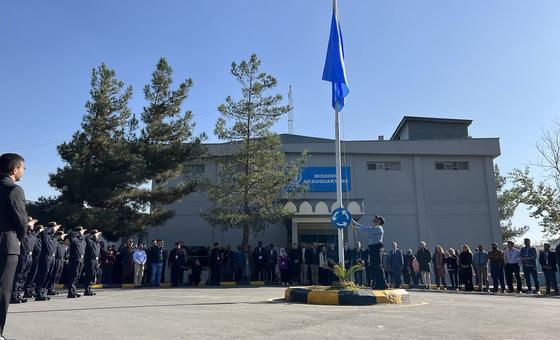
Five years after the Taliban takeover, the United Nations Assistance Mission in Afghanistan (UNAMA) reported persistent concerns over human rights violations, arbitrary detentions and discrimination against women and girls. UNAMA’s monitoring highlights a near-total absence of public information on investigations or disciplinary actions against security personnel accused of abuses, undermining confidence in state institutions. The report examined Taliban-established bodies, including the Security and Filtration Commission and the Ministry of Propagation of Virtue and Prevention of Vice, which operate under a strict interpretation of Sharia law replacing the former constitution.
UNAMA documented cases where Taliban authorities conducted arrests and investigations into reported misconduct by security forces, with some referred to military courts, yet many complaints remained unresolved. The mission found that fear of reprisals, institutional distrust and restrictive measures—particularly affecting women—discourage victims and witnesses from coming forward. Georgette Gagnon, UNAMA’s Deputy Special Representative, emphasized that visible accountability is essential to ensure rules apply equally to all, including those in authority.
Gagnon stated that accountability is both a legal obligation for the de facto authorities and a prerequisite for improving governance, human rights and Afghanistan’s stability. She noted that transparent enforcement of rules could support the country’s reintegration into the international community. The report called for clear rules, procedures and codes of conduct aligned with international standards across all security institutions.
UNAMA recommended that Taliban authorities establish transparent mechanisms for reporting misconduct, enforce professional conduct standards and hold commanders accountable for discipline. It also urged clarification of rules governing the use of force, arrest, detention and crowd policing to ensure consistency with international human rights obligations.