Plight of Afghans going ‘from bad to worse’, but the world is looking away: Türk
UN Human Rights Chief Volker Türk warns Afghanistan’s humanitarian crisis is worsening as Taliban restrictions intensify, while global attention fades and forced returns of refugees rise.
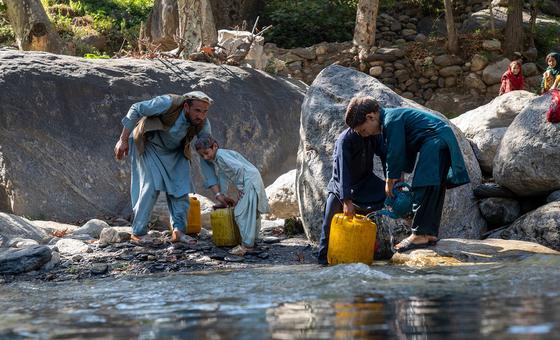
Since the Taliban regained control in 2021, Afghanistan’s humanitarian crisis has deepened, with millions facing poverty and daily human rights abuses. UN Human Rights Chief Volker Türk described the situation as deteriorating rapidly, noting severe restrictions on education, employment, and movement. Women and girls bear the brunt of these policies, facing exclusion from public life and education, while former adversaries of the Taliban continue to report abuses. The UN documented at least 449 cases of corporal punishment in the first half of the year alone.
Taliban authorities have imposed sweeping restrictions, including arrests for alleged violations of dress codes, beard length, and music, enforced by the Office for the Propagation of Virtue and Prevention of Vice. Censorship of media and closures of outlets persist, alongside arrests of journalists. Women are systematically excluded from decision-making, with over two million denied access to secondary and higher education since 2021. New decrees this year further restrict women’s rights, including divorce and implicitly permitting child marriage.
The UN Human Rights Chief condemned the Taliban’s policies as amounting to gender apartheid, citing the absolute exclusion of women from public decision-making and the ban on women entering UN premises. Türk emphasized that such restrictions have no place in any society. Meanwhile, Afghan refugees abroad face growing hostility, with forced returns accelerating from neighboring countries and EU states.
Over 400,000 Afghans have been forcibly returned, primarily from Iran and Pakistan, but also from Türkiye, Tajikistan, and EU Member States. Many returnees face extreme poverty and lack access to basic services, including food, clean water, healthcare, and education. The UN estimates 21.9 million people, or 45% of the population, require humanitarian aid, while foreign aid inflows are drying up. Türk urged states to prioritize the suffering population and reconsider policies contributing to the crisis.