Record number of attacks on education, global fund warns
A UN-backed global fund reports a record 9,259 attacks on education in 2024, disrupting learning for 258 million children across 87 countries amid rising conflict and military use of schools.
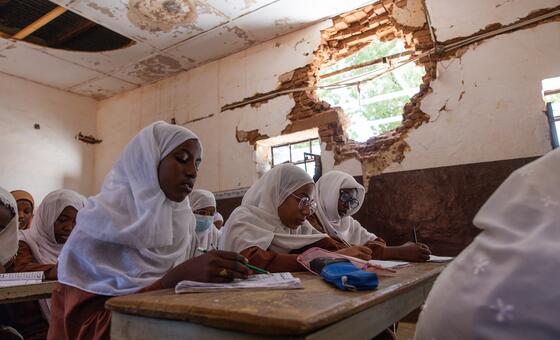
September’s school openings are missed by 93 million children worldwide as attacks on education surge, leaving 258 million students across 87 countries without reliable access to learning, according to Education Cannot Wait, the UN global fund for education in crises. The organization attributes the crisis to "increasing conflict, decreasing restraint and eroding global norms," with schools and universities increasingly targeted or repurposed for military operations. Attacks on education in 2024 reached a historic high, with at least 9,259 incidents reported—over 3,600 directly on schools—marking a more than 50 percent increase from 2022–2023. Over 10,600 students and educators were killed, injured, or abducted, while the military use of schools nearly doubled during the same period.
UNESCO emphasized the legal obligation of all conflict parties to respect international law and protect education from attack, noting that nearly 74 million crisis-affected children remain out of school globally. The agency highlighted that 74 percent of refugee children, 52 percent of internally displaced children, and 45 percent of children with disabilities face the steepest barriers to education in these settings. The UN’s latest data on children in conflict shows 24,174 children were impacted in 2025 out of 38,558 verified violations, with killing and maiming the most widespread, affecting 14,224 children.
The UN Secretary-General’s Annual Report on Children and Armed Conflict details how fighting increasingly occurs in densely populated areas, exposing children to airstrikes, artillery, and explosive drones. Civilian infrastructure, including homes, schools, and hospitals, has been damaged or destroyed, forcing children to navigate danger while fleeing violence or seeking essential services like food, water, and medical care. The highest number of grave violations against children was verified in Israel and the Occupied Palestinian Territory, followed by the Democratic Republic of the Congo, Nigeria, Myanmar, and Somalia.
For the first time, government forces were responsible for the majority of verified grave violations against children in conflict, according to the UN report. The UN and its partners stress that education is a critical protective measure for children in crisis, offering safety, stability, and a pathway to rebuild communities. Education Cannot Wait’s "Hope Starts Here" campaign aims to raise $600 million to provide safe, quality education to 10 million children in the world’s most challenging contexts.