‘Advance safety for all’: International police cooperation helps tackle cross-border crime
The UN highlights the need for international police cooperation to combat cross-border crime, citing organised crime’s role in global homicides and the role of UN Police in strengthening law enforcement amid weakened institutions.
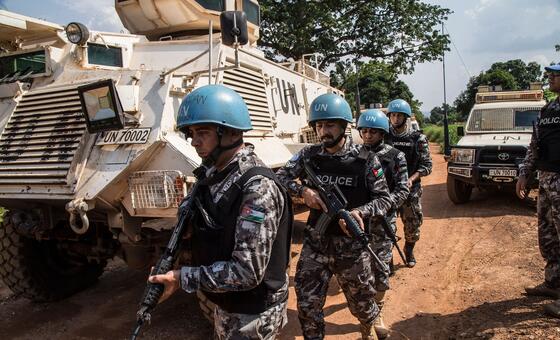
On 7 September, the UN marks the International Day of Police Cooperation, underscoring that no single police force can address transnational crime alone. The UN Office on Drugs and Crime reports that organised crime accounts for about one-fifth of global intentional homicides annually. Secretary-General António Guterres emphasised that cross-border collaboration enables law enforcement to support survivors, apprehend suspects, and disrupt criminal networks more effectively.
UN Police have supported peace operations for over six decades, deploying more than 7,700 personnel across 14 missions to protect civilians and human rights. Their work focuses on strengthening national police services and rebuilding institutions in conflict-affected countries. Officers advise and train local forces, protect vulnerable groups, and help dismantle criminal networks, while avoiding direct arrests or replacing national law enforcement.
Modern crimes such as cybercrime, fraud, and human trafficking often cross borders, requiring international cooperation to share intelligence and coordinate investigations. INTERPOL connects police forces in 196 countries to exchange data, while the UN collaborates with regional and national authorities to enhance cross-border policing. These efforts aim to address crimes that transcend jurisdictions, ensuring a unified response to global threats.
The UN’s theme for this year’s observance is Protecting against Vulnerability – Building Trust and Legitimacy in Policing, highlighting the importance of community trust. Under-Secretary-General Jean-Pierre Lacroix noted that policing institutions must demonstrate fairness and accountability to maintain public confidence. In the Central African Republic, UN Police have worked with national forces to combat trafficking and support survivors, illustrating the practical impact of international cooperation in vulnerable communities.