Clean your plate – to reduce food loss and waste
UN agencies highlight how food waste contributes to climate change and outline practical steps to cut losses and redirect surplus food.
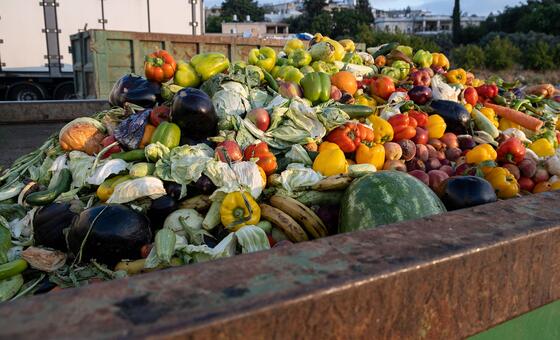
Food waste generates methane, a potent greenhouse gas, accounting for up to 10 per cent of global emissions, while spoiled crops and uneaten meals add to the problem. The UN Environment Programme (UNEP) reports over a billion meals are discarded daily due to spoilage, excess production or poor planning, intensifying environmental and food security pressures.
On the International Day of Awareness of Food Loss and Waste, UNEP and the UN Food and Agriculture Organization focus on protecting forests and sustainable agrifood systems. Efficient use of existing food can ease land and forest pressures, while healthy forests support soil health and rainfall regulation, benefiting food production.
UNEP promotes measures like improved food handling, storage and transport, including cold chain systems, to reduce losses. In Kenya, a cooperative near Nairobi reduced post-harvest crop losses from up to 40 per cent to near zero after receiving cold storage and refrigerated transport equipment.
UNEP supports redirecting safe surplus food to underserved communities and showcases innovative solutions to prevent waste. An AI-supported initiative in 13 hotels cut post-consumer breakfast waste by 62 per cent in four months, while projects like Favela Orgânica in Brazil teach communities to use commonly discarded ingredients.