‘The water comes up to our knees’: Climate hazards shut millions of children out of school in 2025
Climate hazards disrupted schooling for an estimated 171 million students globally in 2025, with storms, floods, and heatwaves forcing closures, reduced attendance, and heightened dropout risks, particularly for girls.
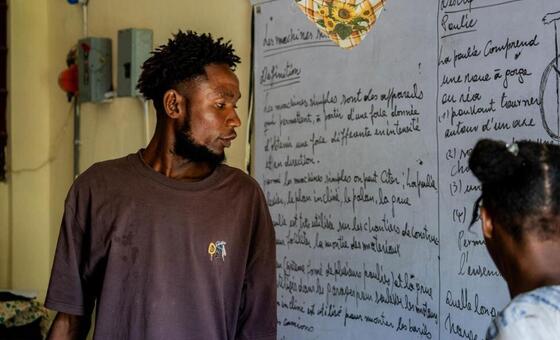
Taudibura Garo, a 16-year-old student in Papua New Guinea, describes how flooding from nearby creeks forces her school to close when water rises through pit toilets, making classrooms unsafe and cutting short her lessons. Her experience reflects a broader crisis documented in a UNICEF report, which estimates that 171 million students worldwide faced climate-related school disruptions in 2025, roughly one in ten learners from preschool to high school. The report highlights that storms were the leading cause of these disruptions, affecting 109 million students, followed by floods and heatwaves, which led to suspended classes, damaged infrastructure, and reduced instructional time. UNICEF notes that while students across all income levels were impacted, three-quarters of those affected live in low- and lower-middle-income countries, where education systems often lack the resources to respond to climate emergencies.
In Pakistan, severe monsoon floods in August delayed the return to school for over 28 million students, marking one of the largest climate-related education disruptions recorded in 2025. Similarly, Egypt experienced a nationwide suspension of classes for one day in April due to a powerful Khamsin storm, affecting more than 28 million students. These disruptions underscore the vulnerability of education systems to extreme weather, even in countries with established infrastructure. UNICEF emphasizes that the impact extends beyond immediate closures, as damaged schools and sanitation facilities create unsafe conditions that force students to stay home.
Girls are disproportionately affected by climate-related school disruptions, according to the report, which finds they are more likely than boys to drop out when hazards close schools. When families are displaced or lose income, girls often take on additional caregiving and water-collection duties, increasing the risk of early marriage and making it harder to return to school once it reopens. UNICEF Executive Director Catherine Russell warns that climate hazards do more than disrupt lessons—they destroy schools, uproot families, and push vulnerable children, especially girls, out of the classroom permanently.
The report warns that students who experienced climate-related disruptions in 2025 could lose at least $200 billion in lifetime earnings unless action is taken to address the issue. At a broader level, learning losses and higher dropout rates may reduce workforce productivity, slow economic growth, and hinder poverty reduction efforts. UNICEF is urging governments to invest in climate-resilient education systems and infrastructure to protect children’s learning today and for future generations, emphasizing the need for urgent and sustained action.